
Adhering to professional oral hygiene standards for daily dental care is not merely about a bright smile; it’s a cornerstone of your overall health and well-being. Many people underestimate the profound impact a diligent daily routine has on preventing serious dental issues, such as cavities, gum disease, and even systemic health problems. This article will guide you through the essential practices and often-overlooked details that elevate your at-home oral care from adequate to exemplary, ensuring your mouth remains healthy and strong for years to come. By embracing these standards, you’re investing in a lifetime of better health, significantly reducing the likelihood of costly and painful dental interventions down the line.
Understanding the Basics of Plaque and Tartar
Plaque is a sticky, colorless film of bacteria that constantly forms on your teeth. When you eat or drink, these bacteria produce acids that attack tooth enamel, leading to cavities. If plaque isn’t removed daily through brushing and flossing, it hardens into tartar, also known as calculus. Tartar forms above and below the gum line, making it much harder to remove with regular brushing and requiring professional dental cleaning.
- Gum Disease Guide: Stages, Symptoms, and Clinical Treatment Options
- Are Professional Teeth Whitening Treatments Truly Effective?
- The Ultimate Guide to Family Dentistry: Services, Benefits, and Healthy Smiles
- Root Canal Treatment 2026: Your Comprehensive Guide to Process & Cost Analysis
- Tooth Decay: Causes, Prevention & Treatment Guide
The accumulation of plaque and tartar is the primary cause of gum disease (gingivitis) and more severe periodontitis. Gingivitis, an inflammation of the gums, can manifest as redness, swelling, and bleeding, especially when brushing. Left unchecked, it can progress to periodontitis, which can destroy the bone supporting your teeth and eventually lead to tooth loss. Understanding this cycle underscores the critical importance of meticulous daily oral hygiene practices to disrupt bacterial colonization and maintain gum health.
The Essential Tools for Optimal Oral Care
Choosing the right tools is fundamental to achieving professional oral hygiene standards at home. Your primary arsenal includes a toothbrush, toothpaste, and dental floss. For toothbrushes, consider a soft-bristled brush, either manual or electric. Electric toothbrushes, particularly those with oscillating-rotating or sonic technology, often offer superior plaque removal compared to manual brushing, especially for individuals who might not have perfect brushing technique. Replace your toothbrush or brush head every three to four months, or sooner if the bristles are frayed, as worn bristles are less effective at cleaning.
When it comes to toothpaste, always opt for one containing fluoride. Fluoride strengthens tooth enamel and helps prevent cavities by making teeth more resistant to acid attacks from plaque bacteria. Beyond the basics, consider incorporating interdental cleaners, such as small brushes or water flossers, especially if you have braces, bridges, or wider spaces between your teeth. These tools can reach areas where traditional floss might struggle, ensuring a more comprehensive clean and reducing the risk of hidden plaque buildup. Regular use of an antiseptic mouthwash can also provide an additional layer of protection by reducing bacteria in the mouth.
Mastering Brushing and Flossing Techniques
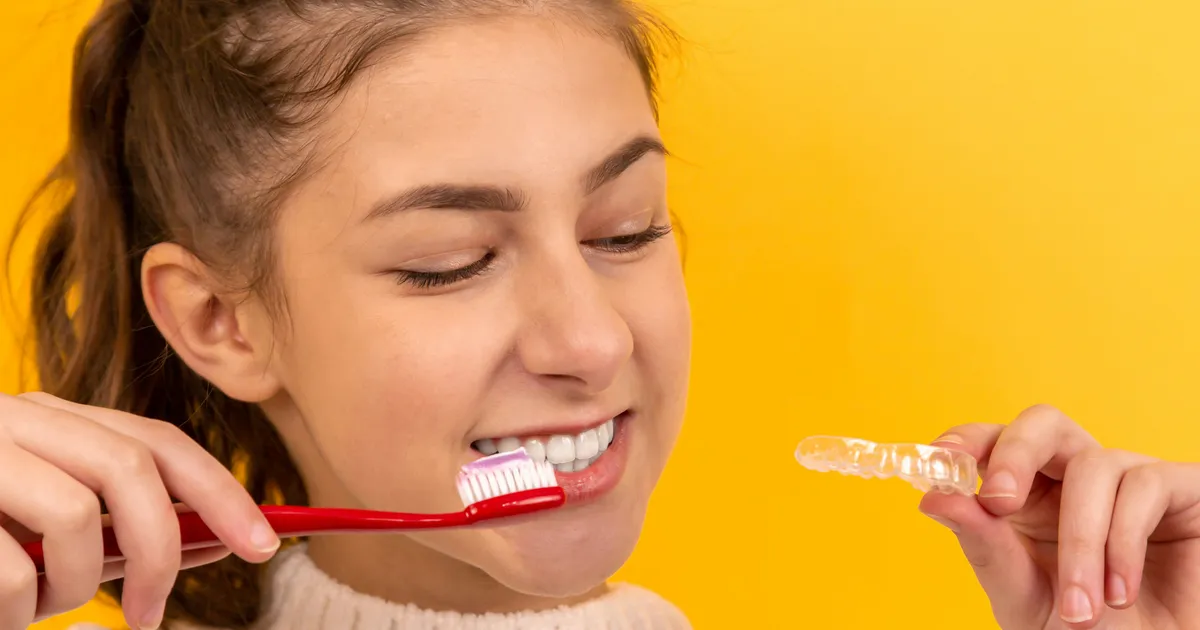
Proper technique is paramount to effective oral hygiene. For brushing, hold your toothbrush at a 45-degree angle to your gums, gently moving it back and forth in short, tooth-wide strokes. Brush all surfaces – outer, inner, and chewing – and don’t forget to gently brush your tongue to remove bacteria and freshen breath. Aim for two minutes, twice a day, every day. It’s not just about brushing; it’s about brushing correctly to effectively remove plaque without damaging your gums or enamel, a common mistake many people make.
The Power of Proper Flossing
Flossing is often neglected but is just as crucial as brushing. It reaches between your teeth and under the gum line, where toothbrush bristles cannot, removing trapped food particles and plaque. Use about 18 inches of floss, winding most of it around your middle fingers, leaving an inch or two to work with. Gently guide the floss between your teeth, curving it into a C-shape against one tooth and sliding it gently below the gum line. Repeat this motion for each tooth, using a clean section of floss every time. Consistent daily flossing significantly reduces your risk of cavities and gum disease, making it a non-negotiable part of professional oral hygiene standards.
The Role of Diet and Lifestyle in Oral Health
Beyond brushing and flossing, your dietary choices and lifestyle habits play a significant role in maintaining professional oral hygiene standards. Frequent consumption of sugary snacks and drinks feeds the bacteria in your mouth, accelerating acid production and increasing your risk of cavities. Similarly, highly acidic foods and beverages can erode tooth enamel directly. Opt for a balanced diet rich in fruits, vegetables, lean proteins, and dairy products, which provide essential vitamins and minerals that support strong teeth and healthy gums.
Harmful habits like smoking or excessive alcohol consumption can severely compromise your oral health. Smoking, for instance, significantly increases your risk of gum disease, oral cancer, and delays healing after dental procedures. It also causes bad breath and stains teeth. Limiting these habits, along with managing stress which can contribute to teeth grinding (bruxism), are crucial steps towards comprehensive oral health. Regular hydration with water also helps rinse away food particles and bacteria, promoting saliva production which naturally protects your teeth. For more information on the link between diet and dental health, visit the American Dental Association’s website.
Professional Check-ups: Your Partner in Prevention
Even with the most diligent at-home routine, regular professional dental check-ups and cleanings are indispensable for maintaining professional oral hygiene standards. Dentists and dental hygienists have specialized tools and expertise to remove hardened tartar that brushing and flossing cannot touch. They can also identify potential issues like cavities, gum disease, or oral cancer in their early stages, often before you experience any symptoms, allowing for timely and less invasive treatment.
Most dental professionals recommend a check-up and cleaning every six months. During these visits, your dentist will perform a thorough examination of your teeth, gums, and mouth, including screening for oral cancer. They can also provide personalized advice on your brushing and flossing techniques, recommend specific products, and discuss any concerns you might have. Think of your dental team as your crucial partners in maintaining optimal oral health for 2026 and beyond, helping you prevent future problems and preserve your natural smile. The importance of these visits cannot be overstated in a comprehensive oral care strategy.
Key Takeaways
- Brush for two minutes, twice daily, with a fluoride toothpaste and a soft-bristled brush.
- Floss daily to remove plaque and food particles from between teeth and below the gum line.
- Maintain a balanced diet, limit sugary and acidic foods, and avoid smoking for better oral health.
- Schedule professional dental check-ups and cleanings every six months for comprehensive care.
Frequently Asked Questions
How often should I replace my toothbrush or electric toothbrush head?
You should replace your toothbrush or the head of your electric toothbrush every three to four months, or sooner if the bristles appear frayed. Worn bristles lose their effectiveness in cleaning teeth and gums properly.
Is it really necessary to floss every day?
Yes, daily flossing is crucial. It removes plaque and food particles from areas your toothbrush can’t reach, significantly reducing the risk of cavities, gum inflammation (gingivitis), and more severe gum disease.
Can mouthwash replace brushing and flossing?
No, mouthwash is not a substitute for brushing and flossing. While it can help rinse away loose food particles and reduce bacteria, it doesn’t effectively remove the sticky plaque film or hardened tartar from tooth surfaces or between teeth.
What if my gums bleed when I brush or floss?
Bleeding gums are often a sign of gingivitis, an early stage of gum disease, usually caused by plaque buildup. It’s important to continue brushing and flossing gently but thoroughly, and to schedule an appointment with your dentist or hygienist for a professional assessment and cleaning. Consistent, gentle care can often reverse gingivitis by 2026.
Conclusion
Achieving and maintaining professional oral hygiene standards for daily dental care is a continuous journey that yields significant rewards. By consistently applying the right techniques, utilizing appropriate tools, making healthy lifestyle choices, and partnering with your dental professional for regular check-ups, you empower yourself to prevent most common dental issues. Embrace these practices as an integral part of your self-care routine, and you’ll enjoy not only a healthier, more vibrant smile but also a positive impact on your overall physical health for many years to come.