
Understanding tooth decay causes, prevention, and treatment approaches is fundamental to maintaining excellent oral health. Tooth decay, also known as dental caries, is a common problem that can lead to pain, infection, and even tooth loss if left unaddressed. It develops when bacteria in your mouth produce acids that attack the tooth enamel, creating tiny holes or cavities. Fortunately, with the right knowledge and consistent habits, it’s a largely preventable condition. This article will guide you through the intricacies of how cavities form, what you can do to protect your smile, and the various professional interventions available to restore your dental health.
Understanding the Root Causes of Tooth Decay
Tooth decay begins with plaque, a sticky film of bacteria that constantly forms on your teeth. When you consume sugary or starchy foods and drinks, these bacteria feed on the carbohydrates and produce acids. These acids then erode the hard outer layer of your teeth, the enamel, creating microscopic pores. Over time, if this acid attack continues, these pores enlarge and deepen, forming a cavity. This process is gradual, often starting without noticeable symptoms, which is why regular dental check-ups are so crucial for early detection.
- Gum Disease Guide: Stages, Symptoms, and Clinical Treatment Options
- Manage Tooth Sensitivity: Proven Techniques & Solutions for Lasting Relief
- Trusted Dentist Verification: Essential Credibility Factors
- Unlock Lifelong Tooth Health: Top Preventive Dental Care Practices
- Dental Implants: Procedure, Benefits, Risks & Cost Factors Guide
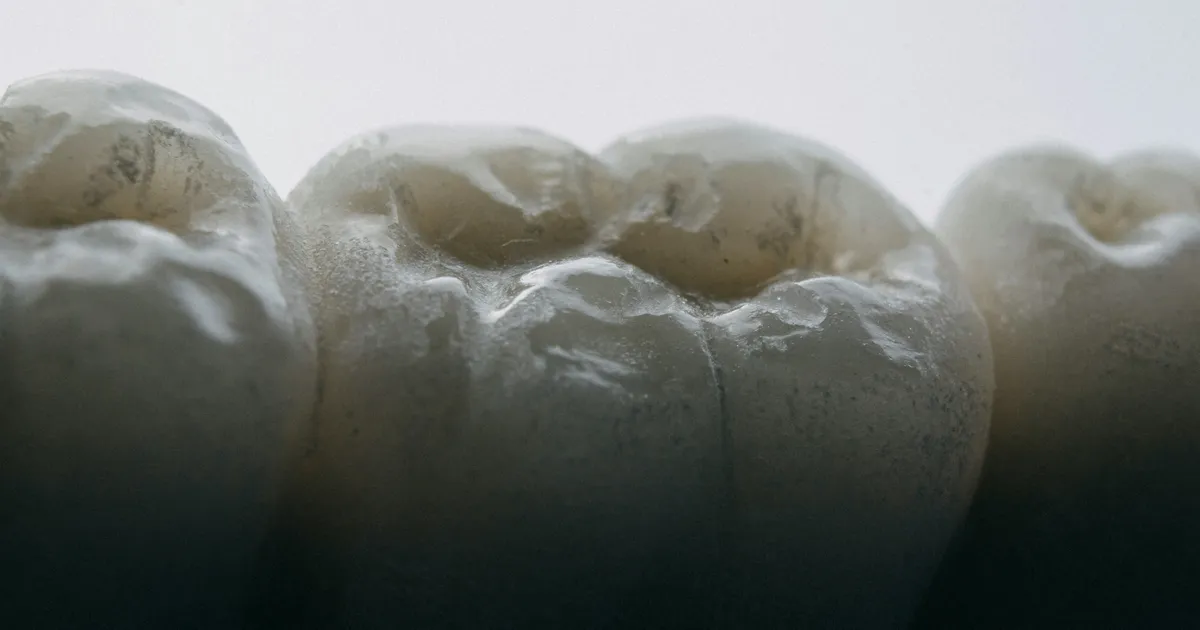
Several factors accelerate this process. A diet high in refined sugars and carbohydrates provides ample fuel for acid-producing bacteria. Poor oral hygiene, such as infrequent brushing and flossing, allows plaque to accumulate and harden into tartar, which further protects bacteria and irritates gums. Dry mouth, caused by certain medications or medical conditions, reduces saliva production, which is vital for washing away food particles and neutralizing acids. Even the anatomy of your teeth, such as deep grooves and pits, can make them more susceptible to trapping food and bacteria.
Effective Prevention: Your First Line of Defense
Preventing tooth decay primarily revolves around consistent and diligent oral hygiene practices. Brushing your teeth at least twice a day with a fluoride toothpaste is paramount. Fluoride helps strengthen tooth enamel, making it more resistant to acid attacks, and can even reverse early signs of decay. Flossing daily removes food particles and plaque from between your teeth and under the gum line, areas your toothbrush can’t easily reach. This combination is your daily shield against bacterial buildup and acid production.
Beyond brushing and flossing, your diet plays a significant role in prevention. Limiting sugary snacks and drinks, especially between meals, reduces the frequency of acid attacks on your teeth. Opt for water instead of soda or fruit juice, and choose tooth-friendly snacks like fresh fruits, vegetables, and dairy products. Chewing sugar-free gum after meals can also help stimulate saliva flow, aiding in the neutralization of acids and washing away food debris. These simple dietary adjustments can make a profound difference in your long-term oral health.
The Power of Fluoride in Prevention
Fluoride is a natural mineral that has been recognized for decades as dentistry’s most powerful tool in preventing cavities. It works by integrating into the tooth enamel, making it stronger and more resistant to acid attacks. For children, fluoride is especially beneficial as it helps in the development of strong, healthy permanent teeth. Adults also benefit from fluoride treatments, as it can help remineralize areas of enamel that have started to demineralize, effectively reversing very early stages of decay. Discussing fluoride options with your dentist is a wise step for enhanced protection.
Advanced Preventive Measures and Professional Care
While daily home care is essential, professional dental care provides advanced preventive measures. Regular dental check-ups, ideally every six months, allow your dentist to identify and address potential issues before they escalate. During these visits, professional cleanings remove plaque and tartar that even the most diligent brushing and flossing might miss. Your dentist can also apply dental sealants, thin protective coatings painted on the chewing surfaces of back teeth, to prevent food and bacteria from settling into the deep grooves where cavities often begin. These sealants are particularly effective for children and teenagers as their permanent molars emerge.
Another important preventive strategy involves understanding your individual risk factors. Your dentist can assess your susceptibility to decay based on your diet, oral hygiene habits, and even genetic predispositions. For those at higher risk, additional interventions like prescription-strength fluoride toothpaste or mouth rinses might be recommended. In some cases, your dentist might suggest specific dietary counseling or even salivary flow tests. Staying informed and proactive about your oral health with your dental professional is key to a cavity-free future, especially as new technologies emerge even in 2026 to detect decay earlier.
Exploring Modern Treatment Approaches for Cavities
Once a cavity has formed, prevention is no longer an option, and treatment becomes necessary to stop the decay from progressing and to restore the tooth’s structure and function. The most common treatment for a cavity is a filling. After removing the decayed portion of the tooth, the dentist fills the hole with a material such as composite resin (tooth-colored), amalgam, or porcelain. The choice of material often depends on the location and extent of the decay, as well as aesthetic considerations and patient preference. For instance, composite resins are popular for front teeth due to their natural appearance, while amalgam might be used for back teeth where strength is paramount.
For more extensive decay that has compromised a significant portion of the tooth structure, a dental crown may be recommended. A crown is a custom-made cap that covers the entire visible surface of the tooth, restoring its shape, size, strength, and appearance. If decay has reached the pulp (the innermost part of the tooth containing nerves and blood vessels), a root canal procedure becomes necessary. This involves removing the infected pulp, cleaning and disinfecting the inside of the tooth, and then sealing it. Following a root canal, a crown is typically placed to protect the weakened tooth. In severe cases where the tooth cannot be saved, extraction may be the only option, followed by replacement with an implant, bridge, or denture. You can learn more about these procedures on reputable dental health sites like the American Dental Association.
The Critical Role of Regular Dental Visits
Regular dental check-ups are not just for emergencies; they are the cornerstone of proactive oral health management and are crucial for managing tooth decay causes prevention and treatment approaches. Visiting your dentist at least twice a year allows for professional cleanings that remove plaque and tartar buildup, which are impossible to remove with at-home brushing and flossing alone. More importantly, these visits enable your dentist to detect early signs of decay or other oral health issues before they become serious problems. Early detection often means simpler, less invasive, and less costly treatments. For example, a small cavity can be easily filled, while a large, untreated one might require a root canal or extraction.
Beyond cleaning and early detection, your dentist provides personalized advice tailored to your specific oral health needs. They can offer guidance on proper brushing and flossing techniques, recommend suitable oral hygiene products, and discuss dietary habits that impact your teeth. These visits are also an opportunity to screen for other conditions like gum disease and oral cancer, ensuring comprehensive care. Think of your dentist as a partner in maintaining your overall health, guiding you through the best practices for a healthy smile now and well into 2026. For more information on dental visits, consider resources from the National Institute of Dental and Craniofacial Research.
Key Takeaways
- Tooth decay is caused by bacteria producing acids from sugars, eroding enamel.
- Prevention hinges on daily fluoride brushing, flossing, and limiting sugary foods.
- Regular dental check-ups and professional cleanings are vital for early detection and advanced prevention.
- Treatment options range from fillings for small cavities to crowns or root canals for more extensive decay.
Frequently Asked Questions
Can tooth decay be reversed naturally without a dentist?
In its very earliest stages, when decay has only caused demineralization of the enamel (a white spot), fluoride toothpaste and professional fluoride treatments can sometimes remineralize the tooth structure, effectively reversing the process. However, once a cavity has formed and penetrated the enamel, it cannot be reversed naturally and requires professional dental intervention to prevent further damage.
How often should I brush and floss to prevent cavities?
To effectively prevent cavities, you should brush your teeth at least twice a day for two minutes each time using a fluoride toothpaste. Flossing should be done at least once a day to remove plaque and food particles from between your teeth and under the gum line, areas your toothbrush cannot reach.
What foods should I avoid to prevent tooth decay?
To minimize your risk of tooth decay, it’s best to limit foods and drinks high in sugar and refined carbohydrates. This includes candies, chocolates, sugary cereals, sodas, fruit juices, and even starchy snacks like chips. These foods provide fuel for the acid-producing bacteria in your mouth. Opt for water, fresh fruits, vegetables, and dairy products instead.
Are dental sealants only for children?
While dental sealants are most commonly applied to children’s and teenagers’ permanent molars shortly after they erupt, they can also be beneficial for adults who have deep grooves and pits in their molars that are difficult to clean and are cavity-free. They act as a protective barrier against food particles and bacteria, reducing the risk of decay in those vulnerable areas.
Conclusion
Understanding tooth decay causes, prevention, and treatment approaches empowers you to take control of your oral health. By adopting diligent daily oral hygiene habits, making smart dietary choices, and prioritizing regular dental check-ups, you can significantly reduce your risk of developing cavities. Should decay occur, modern dentistry offers effective, comfortable solutions to restore your smile. Remember, a healthy mouth is a gateway to a healthy body, so invest in your dental well-being for a lifetime of confident smiles.