
Prioritizing your oral health is more than just about a bright smile; it’s a critical component of your overall well-being. Experts consistently emphasize that effective oral health maintenance strategies are essential for preventing a host of issues, from cavities and gum disease to more serious systemic conditions. Neglecting your mouth can have far-reaching consequences, impacting everything from your ability to eat and speak comfortably to your self-confidence. This article will delve into the comprehensive, evidence-based practices recommended by dental professionals, offering clear, actionable advice to help you achieve and maintain optimal oral hygiene for years to come.
Mastering Your Daily Brushing Routine
Brushing is the cornerstone of any effective oral hygiene regimen, yet many people unknowingly employ less-than-optimal techniques. Experts recommend brushing for at least two minutes, twice a day, using a soft-bristled toothbrush and fluoride toothpaste. Hold your brush at a 45-degree angle to your gums, gently moving it in short, back-and-forth strokes across all surfaces of your teeth – outer, inner, and chewing. Don’t forget to brush your tongue to remove bacteria and freshen your breath. This meticulous approach ensures plaque removal and minimizes the risk of gum irritation.
- Root Canal Treatment 2026: Your Comprehensive Guide to Process & Cost Analysis
- Manage Tooth Sensitivity: Proven Techniques & Solutions for Lasting Relief
- Unlock Lifelong Tooth Health: Top Preventive Dental Care Practices
- Early Age Dental Care: Importance & Treatment Planning for Lifelong Healthy Smiles
- Gum Disease Guide: Stages, Symptoms, and Clinical Treatment Options
While manual brushing is effective when done correctly, many dental professionals advocate for electric toothbrushes, particularly those with oscillating-rotating or sonic technology. These devices often remove plaque more efficiently and come with built-in timers, helping you meet the recommended two-minute duration. Regardless of your choice, replace your toothbrush or brush head every three to four months, or sooner if the bristles are frayed. A worn brush cannot clean effectively and may even damage your gums, so keeping it fresh is a simple but vital step.
Choosing the Right Tools for Optimal Cleanliness
Selecting the appropriate tools is crucial for enhancing your daily oral care. When it comes to toothpaste, always opt for one containing fluoride, as it strengthens tooth enamel and helps prevent cavities. Look for products with the American Dental Association (ADA) Seal of Acceptance or a similar endorsement from a recognized dental authority, ensuring they meet rigorous safety and effectiveness standards. For those with specific concerns like sensitivity or tartar buildup, consult your dentist for personalized toothpaste recommendations that cater to your unique needs.
The Indispensable Role of Daily Flossing
Brushing alone simply isn’t enough to achieve comprehensive oral cleanliness. Flossing is a non-negotiable step recommended by every dental expert, as it reaches where your toothbrush cannot – between your teeth and under the gumline. These are prime areas for plaque accumulation and the development of gum disease and cavities. Make flossing a daily habit, using about 18 inches of floss, wrapping it around your middle fingers, and gently guiding it between each tooth. Curve the floss into a C-shape against each tooth and gently slide it beneath the gumline, moving it up and down.
For individuals who find traditional flossing challenging, several excellent alternatives are available. Interdental brushes, which come in various sizes, are highly effective for cleaning between teeth, especially for those with larger gaps or orthodontic appliances. Water flossers, or oral irrigators, use a stream of water to remove food particles and plaque, offering a gentle yet thorough clean. While water flossers are great for dislodging debris, many experts suggest they complement, rather than completely replace, string floss for optimal plaque removal. Experiment to find the method that works best for your daily routine.
Nutrition’s Profound Impact on Oral Health
What you eat and drink profoundly affects the health of your teeth and gums. Sugary foods and beverages are primary culprits in cavity formation, as the bacteria in your mouth feed on these sugars, producing acids that erode enamel. Similarly, highly acidic foods and drinks, such as citrus fruits and sodas, can directly wear down your tooth surface. Limiting their consumption and rinsing your mouth with water after indulging are simple yet powerful oral health maintenance strategies that make a significant difference.
Conversely, a balanced diet rich in essential nutrients actively supports strong teeth and healthy gums. Calcium and phosphorus, found in dairy products, leafy greens, and nuts, are vital for maintaining strong enamel and bone. Vitamin C, abundant in fruits and vegetables, is crucial for gum health, helping to prevent gingivitis. Incorporating plenty of water throughout the day also helps wash away food particles and neutralize acids. For more detailed nutritional guidance, authoritative sources like the USDA’s Nutrition.gov provide excellent resources on healthy eating habits.
Regular Dental Check-ups and Professional Care
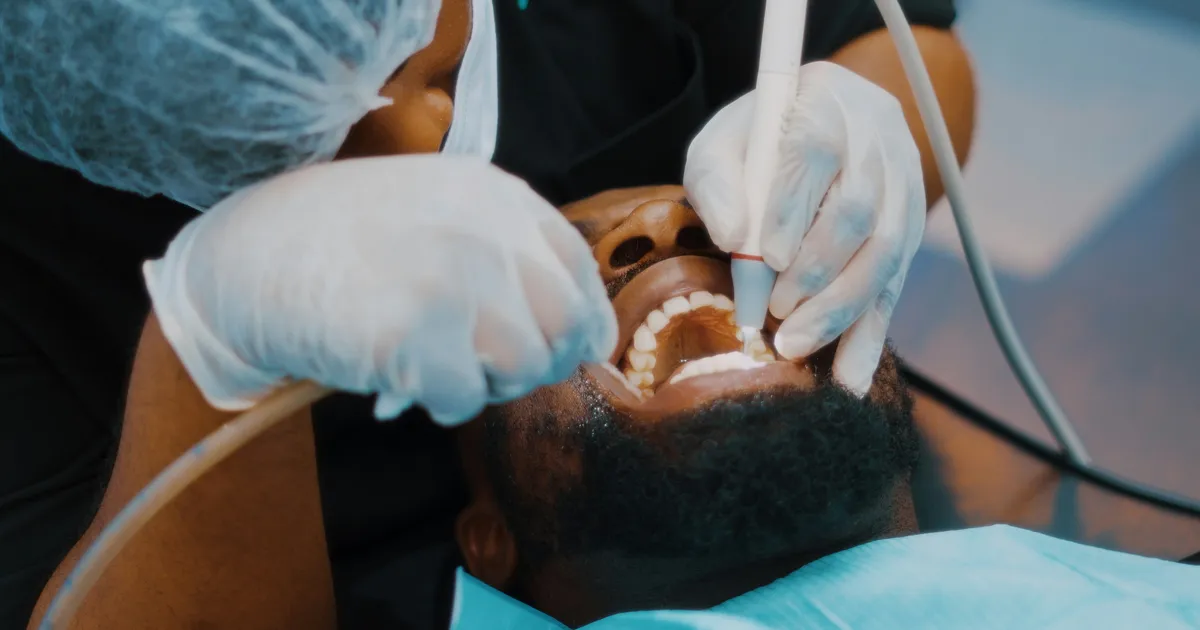
Even with diligent home care, regular visits to your dentist and dental hygienist are indispensable. These professional appointments, typically recommended every six months, allow experts to detect and address issues long before they become serious problems. During a check-up, your dentist will examine your teeth, gums, and mouth for signs of cavities, gum disease, and even oral cancer. Early detection is key to less invasive and more successful treatment outcomes.
A professional cleaning, performed by a dental hygienist, goes beyond what you can achieve at home. They use specialized tools to remove stubborn plaque and tartar (hardened plaque) that accumulate despite regular brushing and flossing. This meticulous cleaning helps prevent gum inflammation and cavities, leaving your teeth feeling incredibly smooth and clean. These routine visits also provide an opportunity to discuss any concerns, receive personalized advice on your oral health maintenance strategies, and stay informed about the latest advancements in dental care for 2026 and beyond.
Lifestyle Habits for a Healthier Mouth
Beyond brushing and flossing, several lifestyle choices significantly impact your oral health. Tobacco use, in any form, is a major risk factor for gum disease, oral cancer, and delayed healing after dental procedures. Similarly, excessive alcohol consumption can contribute to dry mouth, increasing the risk of cavities and gum problems. Quitting these habits is one of the most impactful steps you can take for your oral and overall health. Seeking support from resources like the CDC’s smoking cessation guide can provide invaluable assistance.
Other habits, such as teeth grinding (bruxism) or clenching, can lead to worn-down teeth, jaw pain, and even fractures. If you suspect you grind your teeth, especially at night, your dentist can recommend solutions like custom mouthguards. Staying adequately hydrated is also crucial, as saliva plays a vital role in washing away food particles and neutralizing acids. Chewing sugar-free gum after meals can stimulate saliva production, offering another layer of protection. Adopting these proactive lifestyle choices is paramount for long-term oral well-being, ensuring a healthier mouth well into 2026 and beyond.
Key Takeaways
- Brush thoroughly for two minutes twice daily with fluoride toothpaste and a soft-bristled brush.
- Floss daily to clean between teeth and under the gumline, using string floss or interdental cleaners.
- Maintain a balanced, low-sugar diet and limit acidic foods to protect your enamel.
- Schedule professional dental check-ups and cleanings every six months for early detection and preventative care.
Frequently Asked Questions
Can mouthwash replace brushing and flossing?
No, mouthwash cannot replace brushing and flossing. While therapeutic mouthwashes can complement your routine by reducing bacteria and strengthening enamel, they are not effective at removing plaque and food debris from tooth surfaces and between teeth. Brushing and flossing remain the primary methods for mechanical cleaning.
How often should children visit the dentist?
Children should typically have their first dental visit by their first birthday or when their first tooth erupts. After that, experts generally recommend regular check-ups every six months, just like adults, unless a dentist advises more frequent visits due to specific concerns.
What causes bad breath, and how can I prevent it?
Bad breath (halitosis) is often caused by bacteria accumulating on the tongue and between teeth, or from gum disease. The best prevention involves diligent brushing (including your tongue), daily flossing, regular dental check-ups, and staying hydrated. If bad breath persists, it could indicate an underlying issue requiring professional attention.
Is it normal for my gums to bleed when I floss?
While a little bleeding might occur when you first start flossing, especially if you haven’t done it regularly, persistent bleeding is usually a sign of gum inflammation (gingivitis). It indicates that your gums need more attention, not less. Continue flossing gently and consistently; if bleeding persists, consult your dentist.
Conclusion
Adopting a comprehensive approach to oral health maintenance strategies is a powerful investment in your overall health and quality of life. By consistently practicing effective brushing and flossing, making informed dietary choices, and prioritizing regular professional dental care, you lay the foundation for a healthy, vibrant smile. Remember, your dental team is your partner in this journey, ready to provide personalized guidance and support. Embrace these expert recommendations to enjoy lasting oral wellness and confidence in your smile.