
Implementing effective preventive dental care strategies for children and families is the cornerstone of lifelong oral health. From the eruption of the very first tooth to navigating adolescence, establishing good habits early on can prevent countless dental issues, save money, and foster a positive relationship with dental hygiene. This comprehensive guide will walk you through actionable steps and expert insights to ensure your family’s smiles remain bright and healthy for years to come, emphasizing that prevention truly is better than cure.
Establishing Daily Oral Hygiene Habits
Creating a consistent daily oral hygiene routine is crucial, and it begins even before teeth appear. For infants, gently wipe their gums with a soft, damp cloth after feedings to remove milk residue and introduce the concept of oral care. Once the first tooth emerges, typically around six months, start brushing twice a day with a soft-bristled, age-appropriate toothbrush and a tiny smear of fluoride toothpaste, no larger than a grain of rice. This early initiation helps children become accustomed to brushing, making it a natural part of their day.
- Dental Filling Materials: Cost Comparison, Pros & Cons Guide
- Compare Affordable Dental Care Providers: Your Guide to Smart Savings & Quality Care
- The Ultimate Guide to Advanced Plaque Control for Healthy Teeth
- Root Canal Treatment 2026: Your Comprehensive Guide to Process & Cost Analysis
- Manage Tooth Sensitivity: Proven Techniques & Solutions for Lasting Relief
As children grow, typically around age three, the amount of fluoride toothpaste can increase to a pea-sized dollop. Supervise brushing until they are confident and capable, usually around ages six to eight, to ensure thoroughness and proper technique. Flossing should also be introduced once two teeth touch, usually by age two or three. Making brushing and flossing a non-negotiable part of both morning and bedtime routines, perhaps with a fun song or a reward chart, can significantly boost compliance and lay a solid foundation for excellent oral health into adulthood.
The Impact of Diet on Dental Health
What your family eats plays a significant role in their dental health, often more than many realize. Sugary snacks, candies, and sweetened beverages like juice and soda are notorious culprits for tooth decay. The bacteria in the mouth feed on these sugars, producing acids that erode tooth enamel. Instead, encourage a diet rich in fruits, vegetables, lean proteins, and dairy products, which provide essential nutrients for strong teeth and bones. Water, especially fluoridated water, is the best beverage choice as it helps rinse away food particles and strengthens enamel.
Mindful snacking is another key strategy. Frequent snacking, even on seemingly healthy items, can expose teeth to acids throughout the day. Opt for whole foods like cheese, nuts, or apple slices between meals, which are less likely to stick to teeth and promote saliva production, a natural defense against decay. For the upcoming year of 2026, consider making a family resolution to reduce processed sugars and increase water intake, observing firsthand the positive impact on everyone’s smiles and overall well-being.
Regular Dental Check-ups and Preventative Treatments
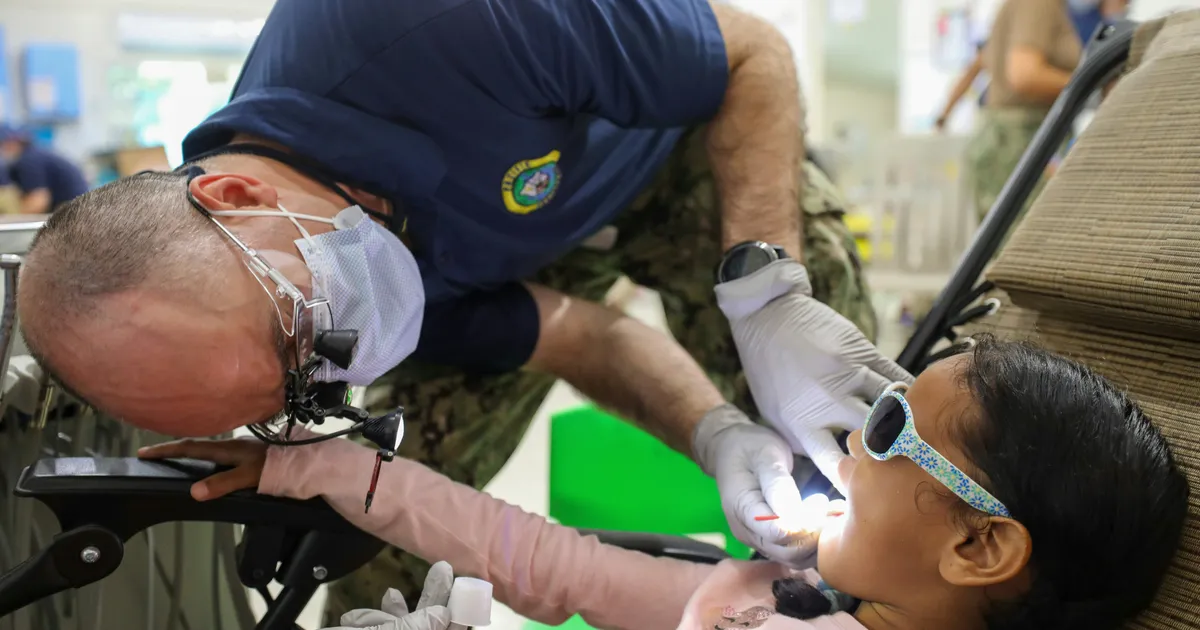
Consistent visits to the dentist are fundamental to preventive dental care. Children should have their first dental visit by their first birthday or within six months of their first tooth erupting. These initial visits, often called “well-baby” dental check-ups, allow the dentist to check for early signs of decay, assess oral development, and provide parents with personalized advice on proper cleaning techniques and diet. Establishing a positive relationship with the dentist early helps alleviate potential fears and builds trust for future appointments.
Beyond initial visits, regular check-ups, typically every six months, are vital for all family members. During these appointments, the dentist performs thorough cleanings, examines for cavities or other issues, and may recommend preventative treatments like fluoride applications. Professional fluoride treatments provide an extra layer of protection against decay by strengthening tooth enamel. These routine visits are not just about fixing problems but proactively preventing them, ensuring any minor issues are caught and addressed before they escalate into more significant concerns. For more information on recommended dental care guidelines, you might find the American Dental Association’s resources helpful at https://www.ada.org.
Understanding Dental Sealants
Dental sealants are a highly effective preventive measure, particularly for children and adolescents. These thin, protective coatings are applied to the chewing surfaces of the back teeth (molars and premolars), where food particles and bacteria can easily get trapped in the pits and grooves. Sealants act as a barrier, preventing food and plaque from accumulating in these hard-to-reach areas and significantly reducing the risk of cavities. The application process is quick, painless, and highly durable, often lasting for several years with proper care.
Harnessing the Power of Fluoride
Fluoride is a natural mineral that plays an indispensable role in strengthening tooth enamel and making teeth more resistant to acid attacks from plaque bacteria and sugars. It can even reverse early signs of tooth decay. Many communities benefit from fluoridated tap water, which is a safe and effective public health measure, continuously bathing teeth in decay-fighting minerals. If your local water supply is not fluoridated, or if you rely on bottled water, discuss fluoride supplements or alternative sources with your dentist.
Beyond community water, fluoride is a key ingredient in most toothpastes and mouthwashes. For children, ensuring they use fluoride toothpaste as recommended by their dentist is crucial. For adults, fluoride mouth rinses can offer an additional layer of protection, especially for those prone to cavities or with exposed root surfaces. Always remember to supervise young children when they brush to ensure they use the correct amount of toothpaste and learn to spit it out rather than swallow it. The Centers for Disease Control and Prevention provides excellent insights into the benefits of fluoride at https://www.cdc.gov/fluoridation/index.htm.
Making Oral Care Fun and Engaging
Transforming oral hygiene from a chore into an enjoyable activity can dramatically improve compliance and consistency, especially for children. One effective strategy is to lead by example; let your children see you brushing and flossing diligently, demonstrating that it’s an important part of everyone’s routine. Use colorful toothbrushes, fun flavors of toothpaste, or even electric toothbrushes designed for kids with built-in timers. There are numerous apps and songs available that make the recommended two minutes of brushing fly by.
Consider creating a family brushing chart with stickers or small rewards for consistent participation. Read books about dental health together or watch educational videos that explain why brushing is important in a child-friendly way. For older children, involving them in choosing their oral care products can increase their sense of ownership. By making dental care an engaging and positive experience, you’re not just preventing cavities; you’re instilling lifelong habits that support overall health and confidence for your entire family well beyond 2026.
Key Takeaways
- Start daily oral hygiene early, even before teeth erupt, and supervise brushing until children can do it effectively.
- Prioritize a balanced diet low in added sugars and high in nutrient-rich foods to protect teeth from decay.
- Ensure regular dental check-ups for all family members, including early visits for infants, and consider preventive treatments like sealants.
- Utilize fluoride through toothpaste, community water, and professional applications to strengthen tooth enamel.
- Make oral care a fun and positive experience through engaging tools, family involvement, and leading by example.
Frequently Asked Questions
When should my child have their first dental visit?
Your child should have their first dental visit by their first birthday or within six months of their first tooth erupting. This initial visit helps establish a dental home and allows the dentist to provide guidance on early oral care.
Is fluoridated water safe for my family?
Yes, fluoridated water is safe and highly effective in preventing tooth decay for all ages. It is considered one of the top public health achievements of the 20th century by the CDC, providing continuous, low-dose exposure to fluoride that strengthens enamel.
How often should my family brush and floss?
Everyone in the family should brush their teeth twice a day for two minutes each time, and floss once a day. Consistency is key to removing plaque and food particles effectively.
What are some healthy snack alternatives for dental health?
Great healthy snack alternatives include cheese, plain yogurt, fresh fruits (like apples and pears), vegetables (like carrots and celery), nuts, and whole-grain crackers. These options are less likely to promote decay compared to sugary or sticky snacks.
Conclusion
Prioritizing preventive dental care strategies for children and families is an investment in long-term health and well-being. By adopting consistent oral hygiene routines, making smart dietary choices, scheduling regular dental check-ups, and leveraging the benefits of fluoride, you can empower your family to maintain healthy, beautiful smiles. These proactive steps not only prevent pain and costly treatments but also instill valuable habits that contribute to overall health for a lifetime. Start today, and let your family’s smiles shine brightly.