

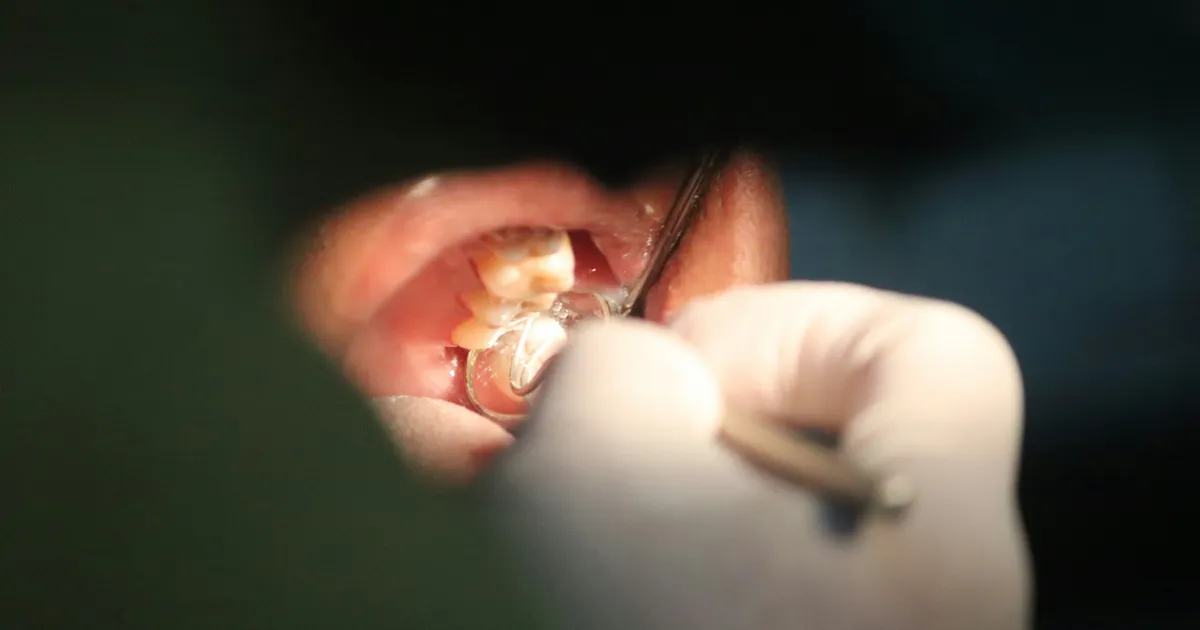
Navigating the world of dental health can sometimes lead to unexpected turns, and understanding tooth extraction procedures recovery and cost insights is crucial for anyone facing this common dental intervention. While dentists always prioritize preserving natural teeth, there are instances where an extraction becomes the most beneficial course of action for your overall oral health. This comprehensive guide aims to demystify the entire process, from understanding why an extraction might be necessary to what you can expect during recovery and how to navigate the financial aspects. We’ll equip you with practical advice to ensure a smoother experience and empower you to make informed decisions about your dental care.
Understanding Why a Tooth Extraction Might Be Necessary
A tooth extraction, while often viewed with apprehension, is a routine procedure performed for a variety of compelling reasons aimed at protecting your oral and general health. The most common culprits include severe tooth decay that has progressed beyond the point where a filling or root canal can save the tooth, or extensive damage from trauma, such as a fractured tooth that cannot be repaired. Additionally, overcrowding, often seen in orthodontic cases where space is needed to align other teeth, or the impaction of wisdom teeth causing pain, infection, or damage to adjacent teeth, frequently necessitate removal.
- The Ultimate Guide to Advanced Teeth Stain Removal Techniques & Solutions
- Patient Review Analysis: Your Guide to Choosing the Best Dental Services
- Root Canal Treatment 2026: Your Comprehensive Guide to Process & Cost Analysis
- The Ultimate Guide to Family Dentistry: Services, Benefits, and Healthy Smiles
- Gum Disease Guide: Stages, Symptoms, and Clinical Treatment Options
Beyond decay and damage, infections that have spread to the bone or gum tissue, particularly when antibiotics are ineffective, can make extraction the only viable solution to prevent further complications. Periodontal disease, which severely compromises the supporting structures of a tooth, can also lead to loosening, eventually requiring its removal. Your dentist will always explore all conservative treatment options first, recommending an extraction only when it’s truly the best path forward for long-term health and to alleviate persistent pain or prevent future issues.
The Tooth Extraction Procedure: What to Expect
Undergoing a tooth extraction begins with a thorough examination, including X-rays, to assess the tooth’s position and the surrounding bone. There are two main types of extractions: simple and surgical. A simple extraction is performed on a tooth that is visible in the mouth and can be removed in one piece. This procedure typically involves only local anesthesia, numbing the tooth and its surrounding area, ensuring you feel no pain, only pressure, during the removal. The dentist uses an instrument called an elevator to loosen the tooth and then forceps to gently remove it.
Surgical extractions are more complex, often required for teeth that are impacted, broken below the gum line, or have very curved roots. This might involve making a small incision in the gum tissue, and sometimes removing a small amount of bone or dividing the tooth into sections for easier removal. Sedation options, from nitrous oxide to intravenous (IV) sedation, may be offered to help you relax throughout the procedure. Post-procedure, you’ll receive detailed instructions for care, which are vital for preventing complications and ensuring a swift recovery.
Navigating the Recovery Process After Extraction
The immediate recovery period following a tooth extraction is critical for preventing complications and promoting proper healing. Immediately after the procedure, a gauze pad will be placed over the extraction site to control bleeding and encourage the formation of a blood clot, which is fundamental to the healing process. It’s vital to keep this gauze in place for the recommended time and to avoid disturbing the clot. Pain management typically involves over-the-counter pain relievers or prescription medication if necessary, along with applying ice packs to the face to reduce swelling.
Over the next few days and weeks, the extraction site will continue to heal. Adhering to your dentist’s post-operative instructions is paramount to avoid issues like dry socket, a painful condition where the blood clot becomes dislodged or dissolves prematurely. This includes maintaining a soft diet, avoiding strenuous activity, and practicing gentle oral hygiene around the extraction site. Healing times vary, but most initial discomfort subsides within a few days, with complete gum healing taking several weeks and bone healing taking several months.
Practical Tips for a Smooth Recovery
To ensure a smooth and swift recovery, several actionable tips can make a significant difference. Firstly, prioritize rest and elevate your head when lying down to minimize swelling. For the first 24 hours, avoid rinsing your mouth vigorously, spitting, or using straws, as these actions can dislodge the crucial blood clot. Stick to soft foods like yogurt, mashed potatoes, and soup, gradually reintroducing harder foods as comfort allows. Apply an ice pack to the outside of your cheek for 15-20 minutes at a time during the first day to reduce swelling. Remember to take any prescribed medications as directed, even if you start feeling better, to manage pain and prevent infection effectively.
Decoding the Cost of a Tooth Extraction
Understanding the financial aspect of tooth extraction procedures recovery and cost insights is a significant concern for many patients. The total cost of a tooth extraction can vary widely, influenced by several key factors. Simple extractions, where the tooth is visible and easily removed, generally range from $75 to $300. However, surgical extractions, which are more complex and may involve gum incisions or bone removal, typically cost between $150 and $650, or even more for impacted wisdom teeth, potentially reaching $800 to $2,500 per tooth if performed by an oral surgeon.
Beyond the basic procedure fee, additional costs can include pre-operative X-rays, local anesthesia, sedation options (which significantly increase the price), and follow-up appointments. Geographic location, the type of dental professional (general dentist versus oral surgeon), and the complexity of the case also play a substantial role. For instance, costs in urban areas or specialized clinics might be higher. While dental insurance often covers a portion of the extraction cost, it’s crucial to check your specific plan details for deductibles, co-pays, and annual maximums. Many dental offices offer payment plans or financing options to help manage these expenses, especially for larger procedures anticipated in 2026. For a comprehensive overview of dental health and related procedures, you might find resources from the American Dental Association’s MouthHealthy site helpful.
Life After Extraction: Replacement Options and Long-Term Care
Once your tooth extraction site has healed, it’s important to consider the long-term implications of a missing tooth and potential replacement options. Leaving a gap can lead to several problems, including shifting of adjacent teeth, changes in your bite, difficulty chewing, and even bone loss in the jaw. Fortunately, modern dentistry offers several excellent solutions to restore your smile and maintain oral health. These include dental implants, which are surgically placed into the jawbone and act as a root for a crown, offering a durable and natural-looking replacement.
Other popular replacement options include dental bridges, which use adjacent teeth as anchors to support a false tooth, and partial dentures, which are removable appliances. Discussing these options with your dentist is crucial to determine the best choice for your individual needs, budget, and oral health goals. Proper long-term care, regardless of whether you choose a replacement, involves maintaining excellent oral hygiene, regular dental check-ups, and following any specific advice from your dentist to ensure the health of your remaining teeth and gums, especially looking ahead to 2026 and beyond.
Key Takeaways
- Tooth extractions are a common dental procedure, often necessary due to decay, damage, infection, or overcrowding.
- Recovery requires careful attention to post-operative instructions, particularly to protect the crucial blood clot and prevent dry socket.
- Costs vary significantly based on complexity, type of anesthesia, location, and the dental professional performing the procedure, with insurance often covering part.
- Considering replacement options like implants, bridges, or dentures is vital for maintaining long-term oral health after an extraction.
Frequently Asked Questions
How long does recovery typically take after a tooth extraction?
Initial healing, where the immediate discomfort subsides and the gum tissue begins to close, usually takes about 3 to 7 days. However, complete healing of the gum and underlying bone can take several weeks to a few months. Following your dentist’s post-operative instructions diligently is key to a swift recovery.
Can I eat normally after a tooth extraction?
No, you should stick to a soft diet for the first few days after an extraction. Foods like yogurt, soup, mashed potatoes, and smoothies are ideal. Gradually reintroduce harder foods as your comfort level improves and your dentist advises, typically after the first week.
What is a dry socket and how can I prevent it?
A dry socket is a painful condition that occurs when the blood clot at the extraction site dislodges or dissolves prematurely, exposing the underlying bone and nerves. To prevent it, avoid smoking, using straws, vigorous rinsing, and spitting for at least 48 hours after the procedure.
Is tooth extraction a painful procedure?
Thanks to local anesthesia and sometimes sedation, you should not feel any pain during the tooth extraction procedure itself, only pressure. Post-procedure, some discomfort and swelling are normal, but these can be effectively managed with prescribed or over-the-counter pain medication.
Conclusion
Facing a tooth extraction can feel daunting, but armed with a clear understanding of the tooth extraction procedures recovery and cost insights, you are well-prepared for a smoother experience. Remember, this procedure is often a necessary step towards maintaining your overall oral health and preventing future complications. By diligently following your dentist’s advice, managing recovery proactively, and planning for potential tooth replacement, you can ensure a successful outcome and continue to enjoy a healthy, functional smile for years to come. Your dental team is your best resource for personalized guidance and support throughout this journey.