

Navigating dental treatments can feel overwhelming, especially when faced with a procedure like a root canal. Understanding the root canal treatment process and cost analysis 2026 is crucial for making informed decisions about your oral health. This comprehensive guide aims to demystify the procedure, break down potential expenses, and offer practical advice to help you feel confident and prepared. We’ll explore everything from why a root canal is necessary to what you can expect during recovery, ensuring you have all the facts at your fingertips to protect your smile and your wallet.
What Exactly is a Root Canal?
A root canal is a dental procedure designed to remove infected or damaged pulp from inside a tooth, clean and disinfect the area, and then fill and seal it. The pulp, located in the tooth’s core, contains nerves, blood vessels, and connective tissue. When this pulp becomes inflamed or infected due to deep decay, repeated dental procedures, a crack in the tooth, or trauma, it can cause severe pain and lead to an abscess if left untreated. The primary goal of a root canal is to save the natural tooth, preventing the need for extraction and preserving your bite and smile.
- Optimize Your Daily Dental Care Routine: A Complete Guide for Adults
- Expert-Recommended Oral Health Maintenance Strategies
- Compare Affordable Dental Care Providers: Your Guide to Smart Savings & Quality Care
- Your Child's Oral Health Journey: Developmental Stages & Essential Care Practices
- Are Professional Teeth Whitening Treatments Truly Effective?
Ignoring the early signs of pulp infection, such as persistent pain, sensitivity to hot and cold, tenderness to touch, or swelling in the gums, can lead to serious complications. Untreated infections can spread to other parts of the body, causing systemic health issues. While the thought of a root canal might sound daunting, modern techniques and anesthetics have made the procedure comparable to a routine filling, often alleviating the pain you were experiencing almost immediately. It’s a highly effective way to eliminate pain and restore your tooth’s health and function.
The Root Canal Treatment Process
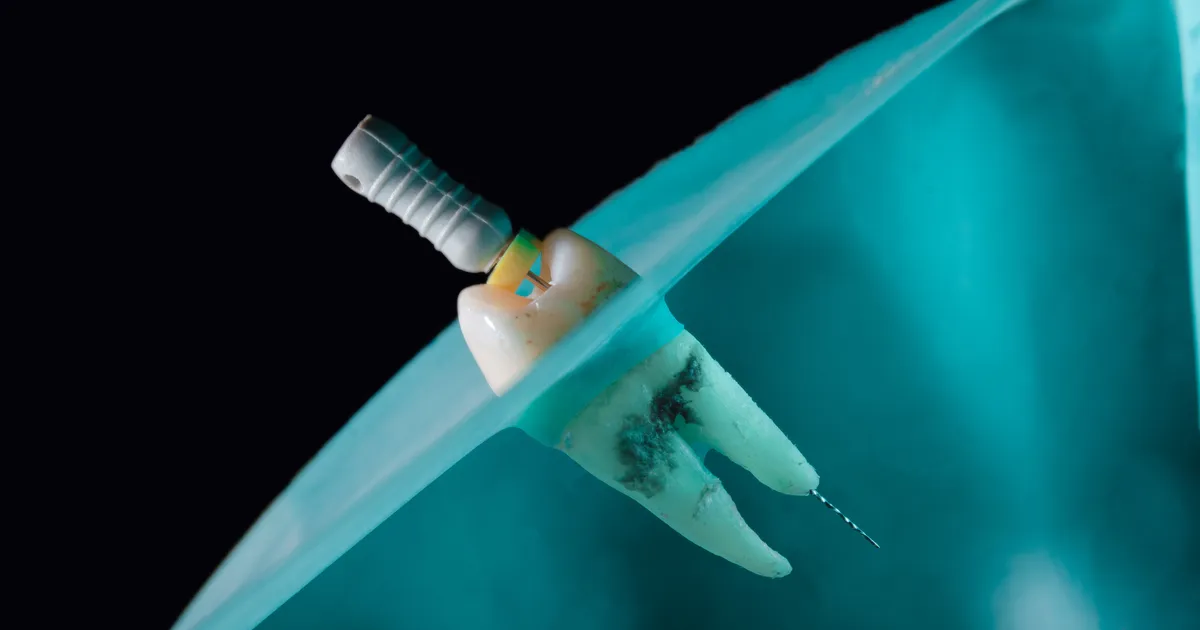
The journey to a healthy tooth typically begins with a thorough examination, including X-rays, to diagnose the extent of the infection. Once a root canal is deemed necessary, your dentist or endodontist will administer a local anesthetic to numb the affected tooth and surrounding area, ensuring you remain comfortable throughout the procedure. A small rubber dam is then placed around the tooth to isolate it, keeping it clean and free of saliva during the treatment. This step is critical for maintaining a sterile environment and preventing further contamination.
Next, a small access hole is created in the crown of the tooth to reach the infected pulp chamber and root canals. Specialized instruments are used to carefully remove the diseased pulp, along with any bacteria and debris, from inside the tooth. The canals are then cleaned, shaped, and disinfected thoroughly. After the cleaning, the canals are filled with a biocompatible, rubber-like material called gutta-percha, which is sealed with an adhesive cement to prevent reinfection. Finally, a temporary filling is placed to close the access hole, and a permanent crown is usually recommended to protect the treated tooth from future damage and restore its full function, often after a brief healing period.
Understanding Root Canal Costs
The cost of a root canal can vary significantly based on several factors, making a precise estimate challenging without a dental examination. Key determinants include the tooth’s location (front teeth are generally less expensive than molars due to fewer canals and simpler anatomy), the complexity of the case (e.g., calcified canals, re-treatment), whether a general dentist or a specialist (endodontist) performs the procedure, and your geographic location. In 2026, you can expect these variables to continue influencing the overall price tag, reflecting the specialized skills and equipment involved.
While prices will fluctuate, typical out-of-pocket costs for a root canal in 2026 might range from approximately $700 to $1,500 for a front tooth, $800 to $1,800 for a premolar, and $1,200 to $2,500 or more for a molar. These figures generally cover the root canal procedure itself but often exclude the cost of the final restoration, such as a crown, which is essential for protecting the treated tooth long-term. Always ask for a detailed estimate from your dental provider that outlines all anticipated expenses.
Specific Cost Considerations
When budgeting for a root canal, remember that the procedure’s cost is just one component. You’ll likely incur additional expenses for initial X-rays and consultation, which can range from $50 to $250. Post-treatment, a permanent restoration like a crown is almost always necessary, adding another $800 to $2,500, depending on the material and complexity. In some cases, a “post and core” buildup might be needed to support the crown, costing an extra $200-$500. It’s vital to get a comprehensive treatment plan and cost breakdown from your dentist, ensuring no hidden surprises. This transparency helps you plan financially for the entire restorative process, not just the initial root canal.
Insurance & Financing Options
Dental insurance can significantly reduce the financial burden of a root canal. Most dental plans typically cover a percentage of major restorative procedures, often ranging from 50% to 80%, after you’ve met your deductible. However, plans usually have annual maximums, which means your insurance might not cover the entire cost if your treatment exceeds this limit. It’s always a smart move to contact your insurance provider directly or have your dental office help you verify your benefits before starting treatment. Understanding your specific coverage will prevent unexpected out-of-pocket expenses and help you budget more effectively.
If you don’t have dental insurance, or if your plan doesn’t cover enough, several financing options are available. Many dental offices offer in-house payment plans, allowing you to pay for your treatment in installments. Alternatively, third-party medical credit cards, such as CareCredit, provide special financing options with low or no-interest periods for qualified applicants. Don’t overlook dental schools, which often offer reduced-cost treatments performed by supervised students, or community dental clinics that provide affordable care. Exploring these avenues can make essential root canal treatment accessible, regardless of your immediate financial situation.
Aftercare and Long-Term Success
Immediately following your root canal, it’s normal to experience some mild discomfort or sensitivity, which can typically be managed with over-the-counter pain relievers. Your dentist will advise you to avoid chewing on the treated tooth until the permanent crown is placed to prevent fracturing. A temporary filling or crown will protect the tooth in the interim. Maintaining excellent oral hygiene, including regular brushing and flossing, is crucial during this period to keep the area clean and free from infection. Following your dentist’s post-operative instructions diligently will contribute significantly to a smooth recovery.
The long-term success of a root canal depends heavily on the final restoration and ongoing oral care. A permanent crown or filling is essential to protect the treated tooth from fracture and reinfection. With proper care, including regular dental check-ups, professional cleanings, and diligent at-home hygiene, a root canal treated tooth can last a lifetime. In rare cases, a tooth may not heal as expected, or new problems may arise, necessitating a re-treatment or even a minor surgical procedure, but the vast majority of root canals are highly successful, saving the tooth for many years to come. For more detailed insights on aftercare, resources like the American Association of Endodontists offer valuable information.
Key Takeaways
- Root canal treatment saves infected teeth, preventing extraction and preserving oral health.
- The procedure involves removing infected pulp, cleaning, shaping, and sealing the tooth’s canals.
- Costs vary widely in 2026 based on tooth location, complexity, and additional restorative needs like crowns.
- Dental insurance and flexible financing options are available to help manage treatment expenses.
Frequently Asked Questions
Is a root canal painful?
Modern root canal procedures are typically no more uncomfortable than a routine dental filling. Dentists use effective local anesthetics to numb the area completely, ensuring you feel little to no pain during the treatment. Any post-procedure discomfort is usually mild and manageable with over-the-counter pain medication.
How long does a root canal last?
With proper care and a permanent restoration (like a crown), a tooth treated with a root canal can last a lifetime. Regular brushing, flossing, and routine dental check-ups are essential to ensure its longevity and prevent future issues.
Is extraction a better option than a root canal?
Saving your natural tooth with a root canal is almost always the preferred option. Preserving your tooth maintains your natural bite, prevents surrounding teeth from shifting, and avoids the need for more complex and costly solutions like dental implants or bridges to replace an extracted tooth.
What is the recovery time after a root canal?
Most people can resume normal activities the day after a root canal. You might experience some mild soreness or sensitivity for a few days, but this typically subsides quickly. It’s crucial to avoid chewing on the treated tooth until your permanent crown is placed to prevent any damage.
Conclusion
A root canal treatment, while often associated with apprehension, is a highly effective and generally comfortable procedure that can save your natural tooth and alleviate pain. By understanding the process, anticipating potential costs in 2026, and exploring various financing options, you can approach this treatment with confidence. Prioritizing your oral health by addressing infections promptly not only preserves your smile but also contributes to your overall well-being. Don’t let fear or financial concerns prevent you from seeking the care you need to keep your teeth healthy and strong.