

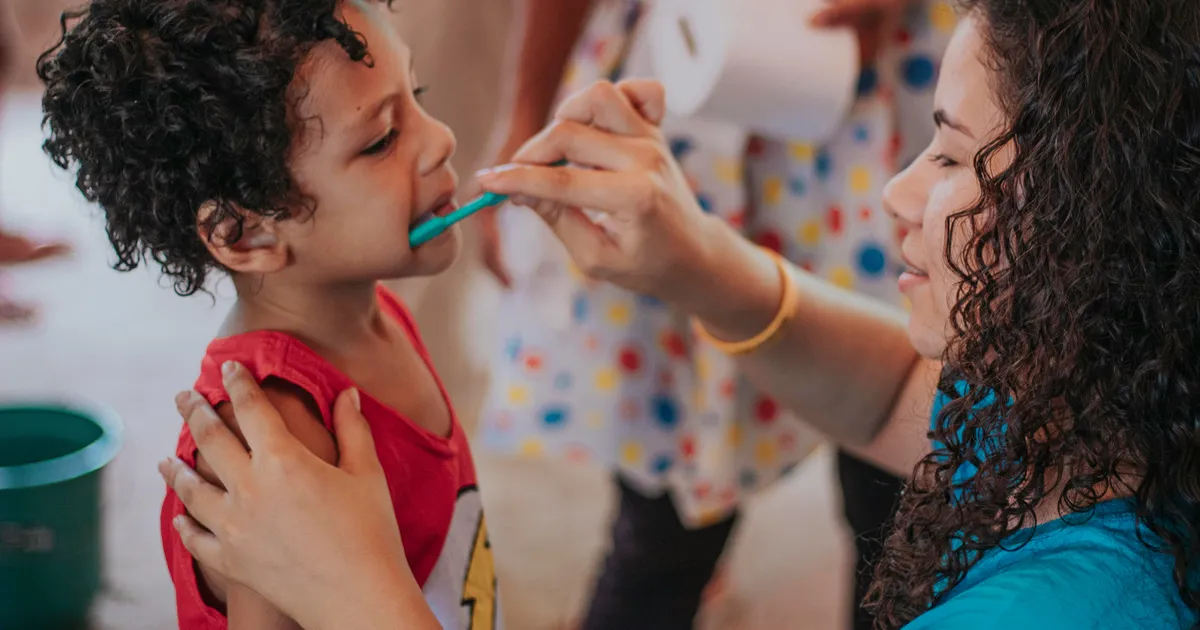
Understanding child oral health development stages and care practices is paramount for every parent and guardian. From the very first gum massages to navigating the complexities of adolescent orthodontics, each phase presents unique challenges and opportunities to foster a lifetime of healthy smiles. Establishing good oral hygiene habits early on not only prevents common issues like cavities but also instills a sense of responsibility and self-care in children. This comprehensive guide will walk you through the crucial milestones in your child’s oral development, offering practical, actionable advice to ensure their dental journey is as smooth and healthy as possible, setting them up for success well into 2026 and beyond.
Infancy (0-12 months): The First Glimmers
Even before the first tooth makes its grand appearance, infant oral care is incredibly important. Gentle cleaning of your baby’s gums with a soft, damp cloth or a silicone finger brush after feedings helps remove milk residue and bacteria, laying the groundwork for a healthy oral environment. This early practice also gets your baby accustomed to the sensation of having their mouth cleaned, making the transition to brushing later much easier. Around 6 months, those first tiny teeth usually start to emerge, signaling the time to introduce a soft-bristled, infant-sized toothbrush with just a tiny smear of fluoride toothpaste, no larger than a grain of rice.
- Unlock Lifelong Tooth Health: Top Preventive Dental Care Practices
- Expert-Recommended Oral Health Maintenance Strategies
- Orthodontic Treatment Options & Pricing: Your Complete Comparison Guide
- Get Rid of Bad Breath: Causes, Clinical Diagnosis, and Treatment Methods
- Trusted Dentist Verification: Essential Credibility Factors
The American Academy of Pediatric Dentistry recommends scheduling your child’s first dental visit by their first birthday or within six months of their first tooth erupting. This initial appointment is crucial for the dentist to check for proper development, discuss feeding practices, and offer guidance on preventing early childhood caries, often known as “bottle rot.” Ensuring your baby doesn’t fall asleep with a bottle containing milk or juice is a simple yet vital preventative measure. Discussing fluoride varnish applications and proper oral care techniques with your pediatric dentist will provide invaluable insights for this foundational stage of child oral health development.
Toddlerhood (1-3 years): Exploring Independence
As toddlers grow, so does their curiosity and desire for independence, which can sometimes make oral hygiene a playful challenge. This stage is all about establishing a consistent brushing routine, ideally twice a day, focusing on all surfaces of their emerging primary teeth. Use a pea-sized amount of fluoride toothpaste, ensuring they learn to spit rather than swallow it. While they might want to “do it myself,” direct parental supervision and assistance are still essential, as their fine motor skills aren’t yet developed enough for effective brushing.
Diet plays a significant role in toddler oral health; limiting sugary snacks and drinks helps prevent cavities. It’s also important to address pacifier use and thumb-sucking habits, aiming to gently discourage them by age three to prevent potential orthodontic issues with jaw development. Introducing flossing, especially if teeth are touching, can be started with a child-friendly flossing pick, making it a fun part of the routine. Regular dental check-ups during this period allow dentists to monitor tooth development, detect any issues early, and reinforce good habits for your growing child.
Taming the Toddler Toothbrush Battle
Many parents face resistance when it comes to brushing a toddler’s teeth. To make it easier, try turning it into a game or singing a fun, short song while you brush. Let your child choose their own toothbrush with their favorite character, or allow them to brush your teeth first. Using a two-minute timer can help visualize the brushing time, and praising their efforts, even small ones, significantly encourages cooperation. Remember, consistency and a positive attitude are key to navigating this stage successfully.
Preschool Years (3-5 years): Building Strong Foundations
The preschool years are a fantastic time to reinforce good oral hygiene habits and empower children to take more ownership of their dental health, albeit with continued parental guidance. At this stage, children are often more cooperative and understand simple instructions, making it easier to explain why brushing and flossing are important. Continue to supervise brushing twice daily, ensuring they are effectively cleaning all tooth surfaces and spitting out the toothpaste. Role modeling by brushing your own teeth alongside them can be incredibly effective, making it a shared family activity.
During these years, the primary teeth are fully established, and dentists might discuss preventative treatments like dental sealants for the back molars to protect them from decay. These thin, protective coatings can be a significant defense against cavities, especially as children start consuming more varied diets. It’s also a good time to educate children about healthy food choices and the impact of excessive sugar on their teeth. Equip yourself with knowledge on how to handle common dental emergencies, such as a knocked-out tooth, by knowing when to call your dentist or seek immediate care.
School Age (6-12 years): The Mixed Dentition Phase
The school-age years are marked by significant changes in a child’s mouth as primary teeth begin to loosen and fall out, making way for permanent teeth. This “mixed dentition” phase requires careful attention to oral hygiene, as new permanent teeth are more susceptible to decay initially. Children should continue brushing twice daily with fluoride toothpaste and flossing once a day, and while they gain more dexterity, parental spot-checks are still beneficial to ensure thorough cleaning. Emphasize brushing gently around loose teeth and newly erupted permanent teeth.
This period is also crucial for orthodontic evaluations, typically around age 7 or 8, to assess jaw growth and tooth alignment. Early intervention, if needed, can often simplify or shorten future orthodontic treatment. For active children involved in sports, custom-fitted mouthguards are essential to protect developing teeth and jaws from injuries. Encouraging healthy snacking habits, like fruits and vegetables, over sugary or acidic options will continue to support robust child oral health development. Ensuring regular dental check-ups, perhaps twice a year in 2026, helps monitor this complex transition.
Adolescence (13-18 years): Navigating Independence and Choices
Adolescence brings a new set of challenges and responsibilities for oral health. Many teenagers undergo orthodontic treatment, requiring meticulous care around braces to prevent plaque buildup and decalcification. Wisdom teeth often begin to emerge during these years, necessitating monitoring for potential impaction or other complications. The choices teenagers make regarding diet, such as frequent consumption of sugary sodas, energy drinks, and snacks, significantly impact their dental health. Educating them on these risks is vital.
As teenagers gain more independence, taking personal responsibility for their oral hygiene becomes paramount. Encouraging consistent brushing, flossing, and regular dental check-ups is crucial for maintaining a healthy smile into adulthood. Discussing the dangers of tobacco use, vaping, and oral piercings on overall and oral health is also important. These years are about solidifying the foundation of good habits established earlier, ensuring they carry forward the benefits of proactive child oral health development and care practices for a lifetime of confident smiles.
Key Takeaways
- Start oral hygiene early with gum cleaning, even before the first tooth erupts.
- Schedule the first dental visit by age one or within six months of the first tooth’s appearance.
- Supervise brushing and flossing throughout childhood, gradually transitioning responsibility to the child.
- Emphasize a balanced diet, limit sugary snacks, and use fluoride toothpaste appropriate for age.
Frequently Asked Questions
When should my child start using fluoride toothpaste?
A tiny smear of fluoride toothpaste (rice-grain size) should be used as soon as the first tooth erupts. Around age three, you can transition to a pea-sized amount.
How can I make brushing fun for my toddler?
Turn brushing into a game, sing a song, let them choose their toothbrush, or brush together as a family. Positive reinforcement and consistency are key.
Are dental sealants really necessary for children?
Dental sealants are highly recommended for children’s back molars, typically between ages 6 and 12. They create a protective barrier against cavities in the deep grooves of these teeth, which are hard to clean.
What should I do if my child knocks out a permanent tooth?
Stay calm. Find the tooth, hold it by the crown (not the root), gently rinse if dirty (do not scrub), and try to reinsert it into the socket. If not possible, place it in a cup of milk or saliva and seek immediate emergency dental care.
Conclusion
Nurturing your child’s oral health is a journey spanning many years, with each stage presenting unique needs and opportunities. By understanding the different child oral health development stages and consistently implementing proper care practices, you empower your child with the foundation for a lifetime of healthy teeth and gums. Remember, consistency, positive reinforcement, and regular visits to a pediatric dentist are your strongest allies in ensuring their smile shines brightly for years to come, long past 2026.