

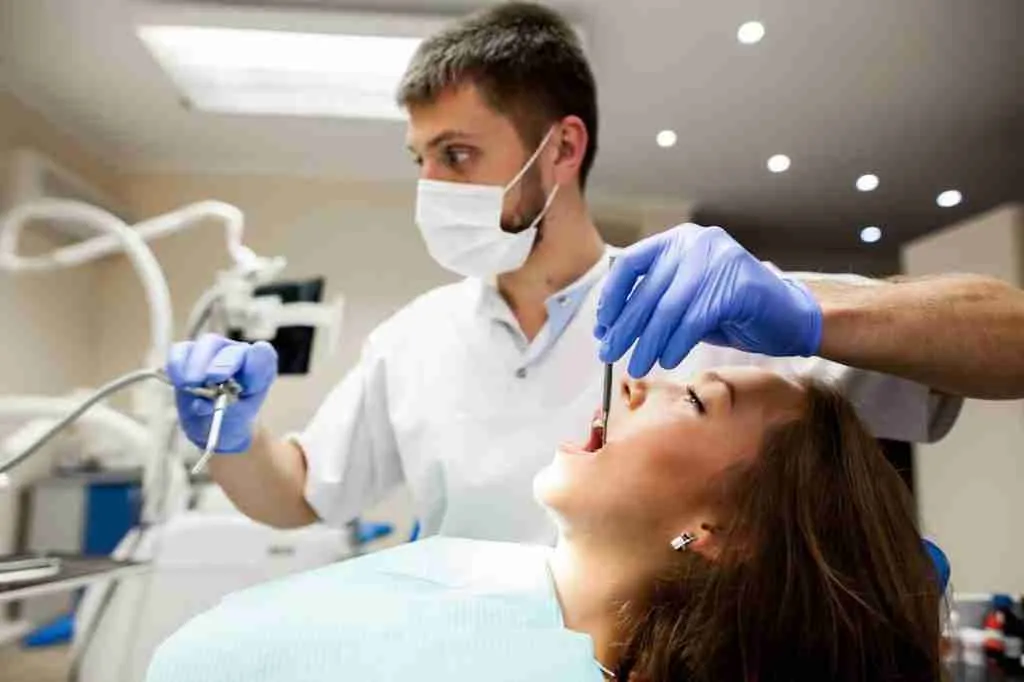
Dealing with tooth sensitivity can feel like a sudden, unwelcome jolt – a sharp, fleeting pain that strikes when you least expect it, often triggered by something as simple as a sip of cold water or a bite of a sweet treat. Fortunately, effective tooth sensitivity management techniques and solutions are more accessible than ever, offering real relief and a path back to comfortable eating and drinking. This comprehensive guide will walk you through understanding why your teeth might be sensitive, exploring both practical at-home remedies and advanced professional treatments, and equipping you with actionable advice to keep those uncomfortable sensations at bay, allowing you to enjoy life’s simple pleasures without wincing.
Understanding Tooth Sensitivity: The Root Causes
Tooth sensitivity, clinically known as dentin hypersensitivity, occurs when the softer, inner part of your tooth, called dentin, becomes exposed. Dentin contains thousands of microscopic tubules that lead to the tooth’s nerve center. When these tubules are exposed, external stimuli like hot, cold, sweet, or acidic foods and drinks can reach the nerves, causing that characteristic sharp pain. This exposure can happen for several reasons, often unnoticed until the discomfort begins to impact daily life.
- Root Canal Treatment 2026: Your Comprehensive Guide to Process & Cost Analysis
- How to Choose the Best Dentist: Evaluating Expertise & Patient Reviews
- Tooth Decay: Causes, Prevention & Treatment Guide
- Tooth Extraction Guide: Procedures, Recovery Times & Cost Insights
- Dental Implants: Procedure, Benefits, Risks & Cost Factors Guide
The underlying issues leading to dentin exposure are varied. Common culprits include gum recession, where gum tissue pulls away from the teeth, revealing the root surfaces. Enamel erosion, often caused by acidic foods and drinks or aggressive brushing, thins the protective outer layer of the tooth. Cavities, cracked teeth, or even old, worn fillings can also create pathways for stimuli to reach the dentin. Understanding these root causes is the first crucial step toward finding the most appropriate and effective solution for your specific situation. For more detailed information on tooth sensitivity causes, you can refer to resources like the American Dental Association website.
Effective At-Home Management Techniques
For many individuals experiencing mild to moderate tooth sensitivity, the first line of defense often lies in simple yet effective at-home management techniques. Desensitizing toothpastes are a popular and accessible option, formulated with compounds like potassium nitrate or strontium chloride that work by either blocking the pain signals from the nerve or by sealing the exposed dentinal tubules. Consistency is key with these products; using them twice daily can lead to noticeable improvements over a few weeks. Additionally, switching to a soft-bristled toothbrush and employing a gentle brushing technique can prevent further enamel wear and gum recession, which are common contributors to sensitivity.
Beyond specialized toothpastes, several lifestyle adjustments can significantly reduce sensitivity. Paying attention to your diet and limiting highly acidic foods and drinks, such as citrus fruits, sodas, and sports drinks, can help preserve enamel. If you grind or clench your teeth, especially at night, wearing an over-the-counter or custom-fitted mouthguard can protect your teeth from excessive wear that exposes dentin. Regular use of fluoride rinses, which strengthen enamel, can also provide an additional layer of protection against sensitivity, reinforcing your teeth’s natural defenses.
When to Seek Professional Dental Solutions
While at-home remedies are excellent for initial management, there are times when persistent or severe tooth sensitivity warrants professional dental intervention. If your pain continues despite consistent use of desensitizing toothpaste and careful oral hygiene, or if the sensitivity is localized to a specific tooth, it’s crucial to consult your dentist. A thorough examination can diagnose underlying issues like deep cavities, cracked teeth, or significant gum recession that might be beyond the scope of at-home care, and require targeted treatment. Ignoring these signs can lead to more serious dental problems down the line.
Your dentist can offer a range of professional treatments tailored to the cause and severity of your sensitivity. Options include applying professional-strength fluoride varnishes or gels, which help strengthen enamel and block exposed tubules. Dental bonding, where a tooth-colored resin is applied to cover exposed root surfaces, can provide immediate relief. For more extensive gum recession, a gum graft might be recommended to cover exposed roots. In cases where sensitivity is due to a deep crack or severe decay affecting the tooth’s pulp, a root canal may be the ultimate solution to alleviate pain permanently. For more information on professional dental treatments for sensitive teeth, the Mayo Clinic offers helpful insights.
Advanced Dental Interventions
Beyond conservative treatments, advanced dental interventions offer powerful solutions for stubborn sensitivity. Dental bonding is a versatile option for covering exposed root surfaces or filling small cracks, effectively sealing the dentin. For significant gum recession, soft tissue grafts can restore gum tissue and protect the exposed root, dramatically reducing sensitivity. In situations where sensitivity stems from structural damage or deep decay, restorative procedures like crowns or inlays might be necessary to protect the compromised tooth and prevent further exposure of the dentin. These procedures are often highly effective, providing long-term relief.
Preventing Tooth Sensitivity: Lifestyle & Habits
Prevention is always better than cure, and this holds true for tooth sensitivity. Adopting a proactive approach to your oral health and daily habits can significantly reduce your risk of developing this uncomfortable condition. Regular dental check-ups and professional cleanings are paramount, as your dentist can identify early signs of enamel wear, gum recession, or other issues before they lead to sensitivity. They can also offer personalized advice on brushing techniques and product recommendations. Aim to schedule these visits at least once a year, ensuring your oral health remains on track for 2026 and beyond.
Your daily routine plays a huge role in prevention. Always use a soft-bristled toothbrush and avoid aggressive scrubbing, which can erode enamel and irritate gums over time. Pay attention to your diet; reducing the frequency and amount of highly acidic foods and beverages is crucial. If you do consume them, consider rinsing your mouth with water afterward to neutralize acids, and wait at least 30 minutes before brushing to allow enamel to re-harden. Managing stress, which can contribute to teeth grinding, and staying hydrated to promote saliva production, are also excellent habits for maintaining overall oral health and preventing sensitivity.
New Innovations and Future Outlook for 2026
The field of dentistry is constantly evolving, bringing exciting new innovations that promise even more effective solutions for tooth sensitivity. Researchers are exploring advanced materials for desensitizing agents that can more effectively block dentinal tubules and promote enamel remineralization. We’re seeing a rise in personalized treatment plans, leveraging diagnostic technologies to pinpoint the exact cause of sensitivity for each patient, leading to more targeted and successful outcomes. These advancements aim to offer quicker relief and more durable protection against sensitivity.
Looking ahead to 2026, we can anticipate further integration of cutting-edge technologies like smart toothbrushes that provide real-time feedback on brushing pressure, and perhaps even AI-driven diagnostic tools that can predict sensitivity risks based on individual oral health profiles. There’s also ongoing research into biomimetic materials that can mimic natural tooth structure, offering even better restorative options. The future of tooth sensitivity management is bright, with a clear focus on preventive care, personalized treatments, and innovative solutions that will make discomfort from sensitive teeth a thing of the past for more people.
Key Takeaways
- Tooth sensitivity stems from exposed dentin, triggered by hot, cold, sweet, or acidic stimuli.
- At-home remedies like desensitizing toothpastes and gentle brushing are effective for mild cases.
- Professional dental solutions, including fluoride treatments, bonding, or gum grafts, address more severe or persistent sensitivity.
- Preventive measures such as regular dental check-ups, proper oral hygiene, and dietary adjustments are crucial.
- New dental innovations in 2026 promise more personalized and effective treatments for tooth sensitivity.
Frequently Asked Questions
How long does it take for desensitizing toothpaste to work?
Most desensitizing toothpastes require consistent use, typically twice a day, for at least two to four weeks before you’ll notice a significant reduction in sensitivity. The active ingredients need time to build up and either block nerve signals or seal the dentinal tubules effectively. Patience and consistency are key to achieving the best results.
Can teeth sensitivity be a sign of a serious problem?
While often a minor annoyance, tooth sensitivity can sometimes indicate a more serious underlying issue like a deep cavity, a cracked tooth, gum disease, or an abscess. If your sensitivity is sudden, severe, localized to one tooth, or accompanied by other symptoms like swelling or persistent pain, it’s crucial to see a dentist for a proper diagnosis to rule out serious problems.
Are there any foods I should avoid if I have sensitive teeth?
Yes, highly acidic foods and beverages are often culprits. This includes citrus fruits (lemons, oranges, grapefruits), carbonated drinks (sodas, sparkling water), sports drinks, and sour candies. Extremely hot or cold foods and drinks can also trigger sensitivity. Reducing your intake or consuming them in moderation can help protect your enamel and reduce discomfort.
Is it possible to completely cure tooth sensitivity?
In many cases, tooth sensitivity can be effectively managed and significantly reduced, sometimes to the point where it no longer causes discomfort. The “cure” depends on the underlying cause. If it’s due to minor enamel wear, consistent at-home care and professional fluoride treatments can largely resolve it. For issues like severe gum recession or deep cracks, professional interventions can provide a lasting solution, effectively curing the sensitivity associated with those specific problems.
Conclusion
Living with tooth sensitivity doesn’t have to be a constant struggle. By understanding its causes, embracing effective at-home care, and knowing when to seek professional help, you can take control of your oral comfort. From simple changes in your brushing habits to advanced dental procedures, a range of tooth sensitivity management techniques and solutions are available to help you enjoy your favorite foods and drinks without pain. Prioritize your oral health, consult your dentist regularly, and look forward to a future where your smile feels as good as it looks.