

When considering professional teeth whitening treatments effectiveness analysis, it’s natural to wonder just how much of a difference these procedures can make. Many dream of a brighter, more confident smile, but the market is flooded with various options, making it challenging to discern what truly works. This article aims to provide a comprehensive breakdown of professional teeth whitening, examining its mechanisms, factors influencing its success, and what you can realistically expect. We’ll delve into the science, compare different professional approaches, and offer practical advice to help you achieve and maintain a dazzling smile that both looks great and feels healthy.
The Science Behind Professional Whitening
Professional teeth whitening relies on powerful bleaching agents, primarily hydrogen peroxide or carbamide peroxide, applied by a dental professional. These compounds penetrate the enamel and dentin layers of your teeth, breaking down the long-chain molecules of stains into smaller, colorless ones. This chemical process effectively lightens the intrinsic and extrinsic discoloration, revealing a naturally whiter tooth shade. Unlike abrasive toothpastes that only remove surface stains, professional treatments target deeper, embedded discoloration for more significant results.
- How to Choose the Best Dentist: Evaluating Expertise & Patient Reviews
- Root Canal Treatment 2026: Your Comprehensive Guide to Process & Cost Analysis
- Preventive Dental Care for Children & Families: Strategies for Lifelong Healthy Smiles
- Dental Filling Materials: Cost Comparison, Pros & Cons Guide
- Manage Tooth Sensitivity: Proven Techniques & Solutions for Lasting Relief
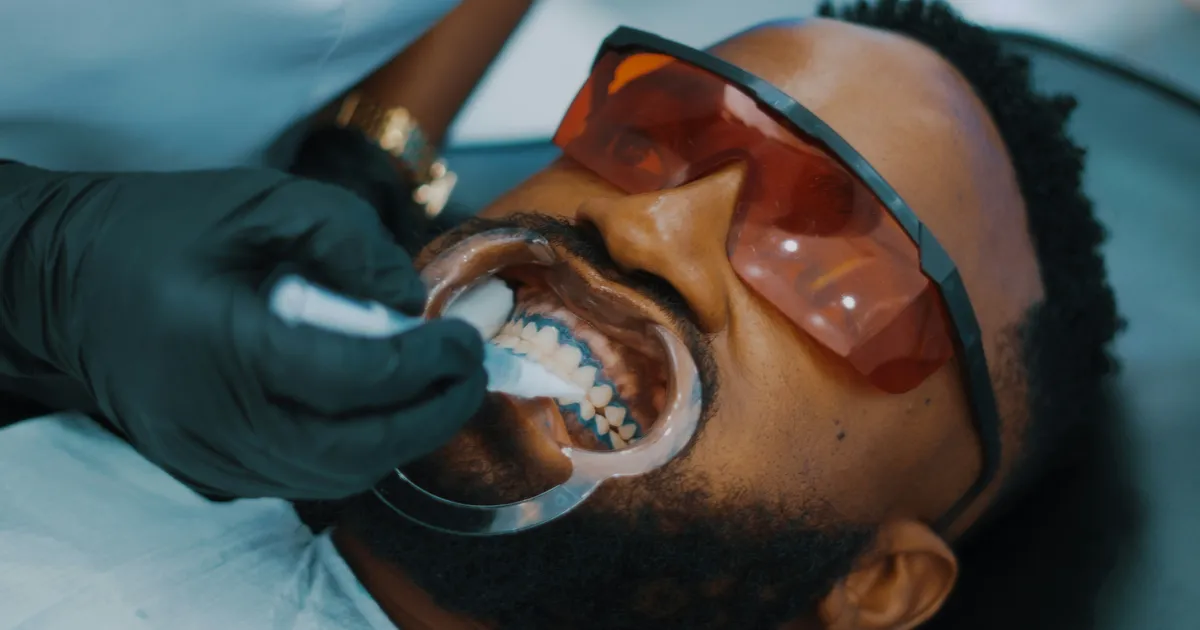
Many in-office professional treatments also incorporate light activation, using LED or laser technology, to accelerate the chemical reaction of the whitening gel. While the light itself doesn’t whiten teeth, it can enhance the peroxide’s effectiveness, allowing for dramatic results in a single visit. It’s important to understand that the initial brighter appearance after treatment can sometimes be partly due to temporary tooth dehydration, which resolves within a few days, revealing the true, stable whitened shade.
Factors Influencing Whitening Success
The effectiveness of professional teeth whitening treatments can vary significantly based on several individual factors. The type of stain is paramount; extrinsic stains from coffee, tea, red wine, and tobacco typically respond very well. However, intrinsic stains, such as those caused by certain medications (like tetracycline), excessive fluoride exposure (fluorosis), or trauma, are often more resistant and may require more intensive or alternative treatments. Your dentist will assess your specific situation to determine the most effective approach.
Your natural tooth anatomy also plays a crucial role. Thicker enamel generally leads to better and more consistent whitening results, as it provides a more robust canvas for the bleaching agents. Age is another factor; younger teeth often whiten more readily, though excellent results are achievable at any age. Additionally, pre-existing dental conditions like cavities, gum disease, or exposed root surfaces must be addressed before whitening to ensure safety and optimal outcomes, which a thorough dental exam will ascertain. For more information on maintaining oral health, visit MouthHealthy.org.
Comparing In-Office and Take-Home Options
Professional teeth whitening offers two primary avenues: in-office treatments and professionally supervised take-home kits. In-office procedures utilize higher concentrations of hydrogen peroxide gel, applied under strict dental supervision, often yielding several shades of whitening in a single appointment, typically lasting about 60-90 minutes. This method is ideal for individuals seeking immediate, dramatic results for a special event or those with significant discoloration, as the intensity and speed are unmatched by other options.
Professionally prescribed take-home kits, on the other hand, involve custom-fitted trays and lower-concentration carbamide peroxide gels. Patients wear these trays for a specified duration each day, usually for one to two weeks, achieving gradual but equally impressive results. This option offers greater convenience and control, allowing individuals to whiten at their own pace in the comfort of their home. Both methods fall under the umbrella of professional teeth whitening treatments effectiveness analysis, offering distinct benefits while delivering superior results compared to over-the-counter alternatives.
Maximizing and Maintaining Your Bright Smile
Achieving a beautifully whitened smile is just the first step; maintaining its brilliance requires ongoing effort and smart choices. Immediately after your treatment, and for at least 48 hours, it’s crucial to avoid highly pigmented foods and beverages like coffee, red wine, dark berries, and tomato sauce, as your teeth are temporarily more porous and susceptible to re-staining. Beyond this initial period, incorporating excellent oral hygiene practices, including brushing twice daily and flossing, is essential to prolong your results.
Many dental professionals recommend occasional touch-up treatments to combat future staining and keep your smile radiant. These usually involve using your custom take-home trays with a lower concentration whitening gel for a few days every six months to a year. Proactive measures, such as rinsing your mouth with water after consuming staining foods or drinks, can also significantly extend the life of your whitening results, ensuring your smile remains bright well into 2026.
Practical Tips for Longevity
To ensure your professional whitening results last as long as possible, consider adopting a few simple habits. Using a whitening toothpaste and mouthwash, specifically formulated for maintaining brightness without being overly abrasive, can help remove new surface stains. Drinking through a straw when enjoying beverages like iced tea or soda can minimize contact with your front teeth. Regular dental check-ups and cleanings, typically every six months, are vital not only for your overall oral health but also for removing new stains before they become set, helping to preserve your investment in a brighter smile.
Safety and Potential Side Effects
One of the significant advantages of professional teeth whitening treatments is the safety and oversight provided by a dental expert. While generally very safe, some individuals may experience temporary side effects. The most common are tooth sensitivity, which can range from mild to moderate, and temporary gum irritation. These symptoms typically subside within a few days after treatment. Your dentist can recommend desensitizing toothpastes or gels, or adjust the treatment protocol, to minimize discomfort.
Before any whitening procedure, a comprehensive dental examination is crucial to ensure your oral health is optimal. This check-up identifies and addresses any underlying issues like cavities, gum disease, or cracked teeth, which could otherwise be exacerbated by whitening agents. It’s also important to note that existing dental restorations such as crowns, veneers, or fillings will not whiten, leading to potential shade discrepancies. This is a vital consideration in any professional teeth whitening treatments effectiveness analysis, allowing for informed decisions about your aesthetic goals. For further guidance on dental safety, consult resources like the American Dental Association.
Key Takeaways
- Professional teeth whitening uses powerful peroxide-based gels to break down deep stains, offering superior results to over-the-counter options.
- Effectiveness is influenced by stain type (extrinsic vs. intrinsic), enamel thickness, age, and overall dental health.
- Both in-office treatments for rapid results and custom take-home kits for gradual whitening are effective professional options.
- Maintaining results requires good oral hygiene, avoiding staining foods, and occasional touch-up treatments.
- Professional oversight ensures safety, minimizing temporary side effects like sensitivity and gum irritation.
Frequently Asked Questions
How many shades can my teeth whiten?
Results vary significantly, but professional treatments typically lighten teeth by 2 to 8 shades. The starting shade and the nature of your stains are key determinants in how dramatic your outcome will be.
How long do professional whitening results last?
With proper care, professional whitening results can last from six months to two years. Lifestyle choices, such as diet and oral hygiene practices, heavily influence the longevity of your brighter smile.
Is professional whitening safe for everyone?
While generally safe, professional whitening is not recommended for pregnant or nursing women, children under 16, or individuals with severe gum disease or extensive dental restorations. A thorough dental consultation determines suitability.
What’s the difference between professional and over-the-counter products?
Professional treatments use higher concentrations of whitening agents, custom-fitted trays, and expert supervision, leading to more significant, safer, and longer-lasting results compared to the milder, less precise over-the-counter options available in 2026.
Conclusion
Professional teeth whitening treatments offer a highly effective and safe path to a brighter, more confident smile. By understanding the science, recognizing influencing factors, and adhering to professional guidance, you can achieve remarkable and lasting results. Always consult with your dentist to determine the best treatment plan for your individual needs. Investing in professional whitening is an investment in your smile and overall well-being.