
Embarking on a journey towards excellent oral health is one of the wisest investments you can make for your overall well-being. Understanding and implementing effective preventive dental care practices is not just about avoiding cavities; it’s about safeguarding your smile, preventing painful issues, and maintaining your ability to eat and speak comfortably for decades to come. Think of your daily oral hygiene routine as a shield, protecting your teeth and gums from common threats like plaque, tartar, and decay. By making small, consistent efforts now, you can significantly reduce the need for more complex and costly dental procedures later, ensuring your teeth stay strong and healthy well into 2026 and beyond.
Mastering Your Daily Oral Hygiene Routine
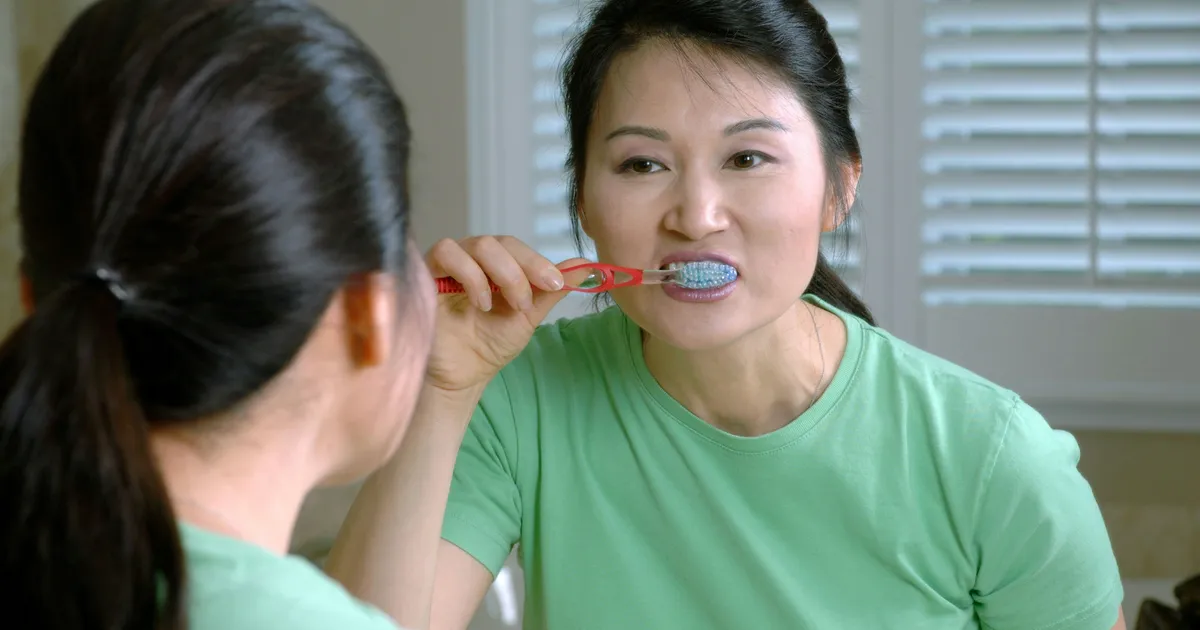
The cornerstone of any effective preventive dental care strategy begins with consistent and correct daily brushing. Brushing twice a day, for at least two minutes each time, is non-negotiable. Use a soft-bristled toothbrush, either manual or electric, and a fluoride toothpaste. Angle the brush at 45 degrees towards the gum line, using gentle, circular motions to clean all surfaces of each tooth. Don’t forget to brush your tongue to remove bacteria and freshen your breath. Regular replacement of your toothbrush every three to four months, or sooner if the bristles are frayed, ensures maximum cleaning efficiency.
- Choosing a Local Dentist: Key Quality Metrics & Evaluation Standards
- Orthodontic Treatment Options & Pricing: Your Complete Comparison Guide
- Patient Review Analysis: Your Guide to Choosing the Best Dental Services
- Are Professional Teeth Whitening Treatments Truly Effective?
- Your Child's Oral Health Journey: Developmental Stages & Essential Care Practices
While brushing cleans the visible surfaces of your teeth, flossing tackles the areas your toothbrush can’t reach – between teeth and under the gum line. Daily flossing removes food particles and plaque that, if left behind, can lead to gum disease and cavities. Use about 18 inches of floss, winding most of it around your middle fingers, and gently slide it between your teeth, curving it around each tooth in a “C” shape. Move the floss up and down, making sure to go slightly beneath the gum line. This simple habit, when performed correctly, is incredibly powerful in maintaining gum health and preventing interproximal decay.
The Impact of Diet on Tooth Health
What you eat and drink plays a surprisingly significant role in your long-term tooth health, often overlooked in preventive dental care practices. Sugary and highly acidic foods and beverages are primary culprits in tooth decay and erosion. Sugars feed harmful bacteria in your mouth, which produce acids that erode enamel, while acidic drinks like soda and fruit juices directly wear down this protective layer. Limiting your intake of these items and choosing water over sugary drinks is a simple yet effective way to protect your teeth and gums from daily assault.
Beyond avoiding harmful foods, incorporating nutrient-rich options supports strong teeth and gums. Foods rich in calcium (dairy, leafy greens), phosphorus (meat, fish, eggs), and vitamins C and D are essential for maintaining bone density and healthy gum tissue. Eating crunchy fruits and vegetables, like apples and carrots, can also help stimulate saliva flow, which naturally cleanses the mouth and neutralizes acids. Prioritizing a balanced diet not only benefits your overall health but provides the necessary building blocks for a resilient, healthy smile.
Regular Dental Check-ups and Professional Cleanings
Even with diligent daily brushing and flossing, professional dental care remains a critical component of preventive dental care practices. Regular check-ups, typically every six months, allow your dentist to spot potential problems like cavities, gum disease, or even oral cancer early, often before they become painful or severe. Early detection means simpler, less invasive, and less costly treatments. Your dentist can also provide personalized advice on improving your home care routine and address any specific concerns you might have about your oral health as we approach 2026.
Understanding Dental X-rays and Sealants
During these visits, your dentist might recommend X-rays, which are invaluable for detecting issues hidden from the naked eye, such as interproximal cavities, bone loss, or impacted teeth. Furthermore, dental sealants offer an excellent preventive measure, especially for children and some adults. These thin, protective coatings are applied to the chewing surfaces of back teeth, where pits and grooves can trap food particles and bacteria. Sealants effectively block out decay-causing agents, providing a smooth surface that is much easier to clean and significantly reducing the risk of cavities in treated teeth. Fluoride treatments can also be applied to strengthen enamel.
Breaking Bad Habits for Better Oral Health
Certain lifestyle habits can seriously undermine your efforts at preventive dental care and compromise your long-term tooth health. Tobacco use, whether smoking or chewing, is a major contributor to gum disease, tooth decay, and oral cancer, not to mention staining. Similarly, excessive alcohol consumption can lead to dry mouth, increasing the risk of decay and gum problems. Beyond substances, habits like teeth grinding (bruxism), nail biting, or using your teeth to open packages can cause chips, cracks, and excessive wear, leading to pain and costly repairs.
Addressing these habits is crucial for maintaining a healthy smile. If you grind your teeth, a custom-fitted nightguard from your dentist can protect your teeth from damage. For those who use tobacco, seeking support to quit is the single most impactful step you can take for your oral and overall health. Being mindful of unconscious habits, like nail biting, and actively working to replace them with less destructive alternatives can prevent significant wear and tear on your teeth. Protecting your teeth from unnecessary trauma is a key aspect of long-term dental preservation.
Advanced Preventive Measures and Overall Health Link
Preventive dental care extends beyond the basics, encompassing specialized tools and an understanding of the oral-systemic link. For athletes, custom-fitted mouthguards are essential to protect teeth, gums, and jaws from sports-related injuries. Managing conditions like dry mouth, often a side effect of medications, with special rinses or saliva substitutes, is also vital as a dry environment significantly increases cavity risk. Furthermore, individuals with chronic conditions like diabetes or pregnant women often require tailored dental care due to increased susceptibility to gum issues.
It’s increasingly clear that oral health is not isolated from your general health. Periodontal disease, for example, has been linked to systemic conditions like heart disease, stroke, and diabetes. Maintaining excellent preventive dental care practices therefore contributes to your overall physical well-being. By prioritizing your oral health today, you are not just saving your teeth; you are investing in a healthier, more vibrant future, ensuring your mouth remains a gateway to good health for many years to come, including a bright 2026.
Key Takeaways
- Consistent daily brushing with fluoride toothpaste and flossing are non-negotiable foundations for oral health.
- A balanced diet, low in sugar and acids, supports strong teeth and gums, while nutrient-rich foods fortify them.
- Regular dental check-ups, professional cleanings, and preventive treatments like sealants detect and prevent issues early.
- Breaking harmful habits such as tobacco use, teeth grinding, and using teeth as tools protects against damage.
Frequently Asked Questions
How often should I replace my toothbrush?
You should replace your toothbrush every three to four months, or sooner if the bristles become visibly frayed. Frayed bristles are less effective at cleaning and can even harbor more bacteria, making regular replacement a simple yet important part of your oral hygiene routine.
Is mouthwash necessary for good oral health?
While not a substitute for brushing and flossing, therapeutic mouthwashes can offer additional benefits. Antiseptic mouthwashes can help reduce plaque and gingivitis, while fluoride mouthwashes can strengthen enamel and prevent cavities. Consult your dentist to determine if a specific type of mouthwash would be beneficial for your individual needs.
Can genetics affect my tooth health, even with good care?
Yes, genetics can play a role in factors like tooth size, jaw structure, enamel strength, and susceptibility to certain conditions like gum disease. However, even with a genetic predisposition, diligent preventive dental care practices can significantly mitigate risks and help you maintain excellent oral health throughout your life.
What should I do if I have sensitive teeth?
Tooth sensitivity can be caused by various factors, including worn enamel, exposed roots, or cavities. If you experience sensitivity, try using a desensitizing toothpaste. If the problem persists or worsens, consult your dentist. They can diagnose the underlying cause and recommend appropriate treatments, which might include fluoride varnish, bonding, or addressing gum recession.
Conclusion
In conclusion, truly effective preventive dental care practices are a continuous commitment, not a one-time fix. By integrating consistent daily hygiene, mindful eating, regular professional check-ups, and the elimination of harmful habits into your lifestyle, you empower yourself to enjoy a healthy, vibrant smile for many years. Remember, your oral health is an integral part of your overall well-being. Investing time and effort into prevention today will undoubtedly pay dividends in comfort, confidence, and health tomorrow.