
Understanding gum disease stages symptoms and clinical treatment options is crucial for maintaining excellent oral health and overall well-being. This common condition, affecting millions worldwide, often progresses silently, making early detection and intervention incredibly important. From its initial, reversible stage to more advanced forms that can lead to tooth loss, knowing what to look for and when to act can literally save your smile. This article will guide you through the journey of gum disease, offering a clear roadmap of its progression, the signs your body might be sending, and the professional treatments available to restore your dental health, empowering you with the knowledge to protect your pearly whites.
What Exactly is Gum Disease?
Gum disease, medically known as periodontal disease, is an infection of the tissues that hold your teeth in place. It’s primarily caused by poor oral hygiene, which allows a sticky film of bacteria called plaque to build up on the teeth. If plaque isn’t removed regularly through brushing and flossing, it hardens into tartar (calculus), a substance that can only be removed by a professional dental cleaning. This build-up creates an environment where bacteria thrive, leading to inflammation and infection of the gums.
- Expert-Recommended Oral Health Maintenance Strategies
- Choosing a Local Dentist: Key Quality Metrics & Evaluation Standards
- Get Rid of Bad Breath: Causes, Clinical Diagnosis, and Treatment Methods
- Your Child's Oral Health Journey: Developmental Stages & Essential Care Practices
- How to Choose the Best Dentist: Evaluating Expertise & Patient Reviews
Left untreated, this bacterial infection can spread below the gum line, causing the gums to pull away from the teeth, forming pockets. These pockets then become breeding grounds for more bacteria, deepening the infection and eventually destroying the bone and tissue that support the teeth. It’s a progressive disease, meaning it worsens over time if not addressed, potentially leading to loose teeth or even tooth loss. Understanding its progression is key to effective management and prevention.
The Silent Threat: Gingivitis (Stage 1)
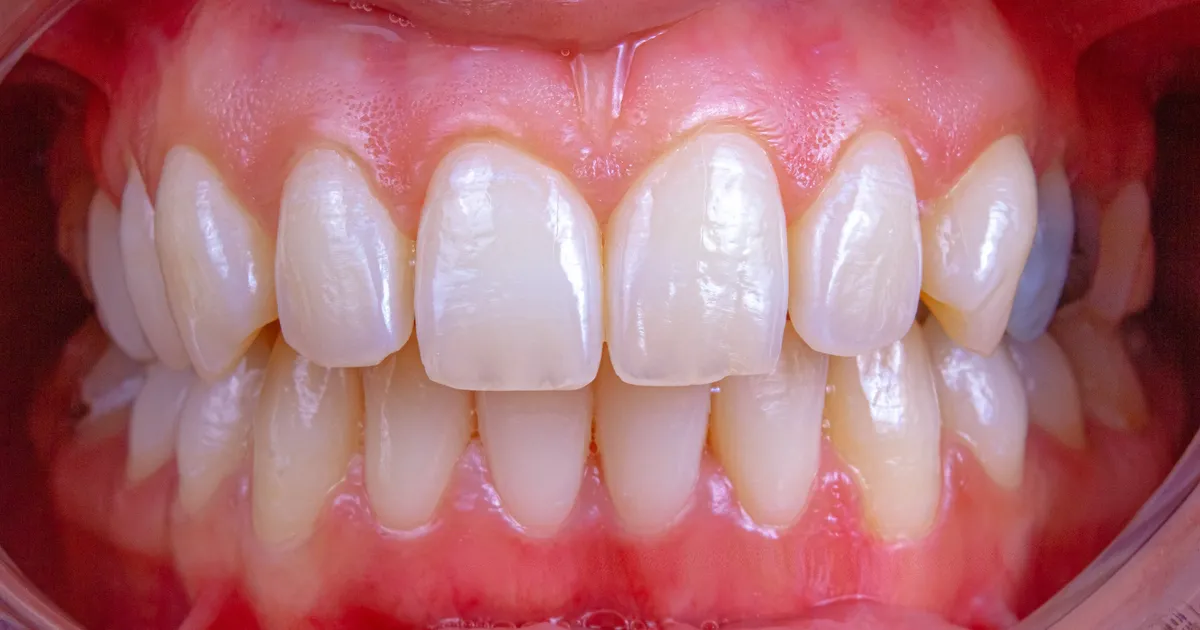
Gingivitis is the earliest and mildest form of gum disease, characterized by inflammation of the gums. At this stage, you might notice your gums appearing redder than usual, swelling slightly, and bleeding easily when you brush or floss. Importantly, gingivitis typically causes little to no discomfort, which is why many people are unaware they have it. The good news is that gingivitis is entirely reversible with proper oral hygiene and professional cleaning.
If you catch gingivitis early, a thorough dental cleaning to remove plaque and tartar, combined with consistent daily brushing and flossing at home, can completely eliminate the infection. Regular check-ups are vital, as your dentist can spot the subtle signs of gingivitis before they become more pronounced. Don’t underestimate these initial symptoms; they are your body’s early warning system against more serious periodontal problems down the line, especially looking ahead to 2026 and beyond.
Preventing Gingivitis
Preventing gingivitis is straightforward and involves a consistent daily routine. Brush your teeth twice a day for two minutes each time using a fluoride toothpaste, and make sure to floss daily to remove plaque from between your teeth and under the gum line where your toothbrush can’t reach. Using an antiseptic mouthwash can also help reduce bacteria. Regular dental check-ups and professional cleanings, typically every six months, are indispensable for removing stubborn tartar and monitoring your gum health. These simple habits are your best defense.
Periodontitis: Early, Moderate, and Advanced Stages
If gingivitis is left untreated, it can advance to periodontitis, a more severe form of gum disease where the infection spreads beyond the gums to the underlying bone and supporting structures. In early periodontitis, the gums pull away from the teeth, forming shallow pockets. Bone loss begins, though it may not be immediately obvious. Symptoms can include persistent bad breath, more noticeable gum bleeding, and slight gum recession.
Moderate periodontitis involves increased destruction of the bone and tissues. Pockets deepen, allowing more bacteria to accumulate and cause further damage. Teeth may start to loosen, and you might experience increased sensitivity or discomfort when chewing. In advanced periodontitis, the destruction is significant, with extensive bone and tissue loss. Teeth become very loose, pus may be present, and chewing becomes extremely painful. Without aggressive intervention, tooth loss is almost inevitable at this stage, significantly impacting quality of life.
Recognising the Symptoms: When to Seek Help
Recognizing the symptoms of gum disease early is paramount for effective treatment. While gingivitis often presents with red, swollen, or bleeding gums, periodontitis can manifest with a broader range of indicators. Beyond the initial signs, be watchful for persistent bad breath that doesn’t improve with brushing, receding gums that make your teeth appear longer, and a change in how your teeth fit together when you bite. These are all red flags that warrant immediate dental attention.
Additionally, if you experience new spaces developing between your teeth, pus between your teeth and gums, or any tenderness or discomfort in your gums, it’s a clear signal to visit your dentist. Early intervention can halt the progression of gum disease and prevent irreversible damage. Don’t wait for pain to become severe; regular check-ups allow your dentist to spot these issues even before you notice significant symptoms, ensuring your oral health remains optimal for years to come.
Clinical Treatment Options for Gum Disease
Clinical treatment for gum disease varies significantly depending on its stage and severity. For gingivitis, a professional dental cleaning, often called a prophylaxis, is usually sufficient. This involves removing plaque and tartar from above and slightly below the gum line. Your dentist or hygienist will also provide guidance on improving your at-home oral hygiene practices to prevent recurrence. This non-invasive approach is highly effective when the disease is caught early.
For periodontitis, treatments become more involved. Non-surgical options include scaling and root planing, a deep cleaning procedure where plaque and tartar are meticulously scraped away from above and below the gum line, and rough spots on the tooth root are smoothed to remove bacterial toxins and help gums reattach. Antibiotics, either oral or applied directly to the gum pockets, may also be prescribed. In more advanced cases, surgical interventions like flap surgery (pocket reduction surgery), bone grafts, soft tissue grafts, or guided tissue regeneration may be necessary to repair damaged tissues and bone. Regular follow-up and maintenance cleanings are crucial for long-term success, especially considering new advancements in dental care expected by 2026. For more detailed information on periodontal treatments, you can consult resources like the American Dental Association.
Key Takeaways
- Gum disease progresses from reversible gingivitis to destructive periodontitis if left untreated.
- Common symptoms include red, swollen, bleeding gums, persistent bad breath, and receding gums.
- Early detection through regular dental check-ups is vital for effective and less invasive treatment.
- Treatment options range from professional cleanings to deep scaling and root planing, and even surgical procedures for advanced cases.
Frequently Asked Questions
Can gum disease affect my overall health?
Yes, absolutely. Research has increasingly linked gum disease to various systemic health conditions, including heart disease, stroke, diabetes, respiratory disease, and even adverse pregnancy outcomes. The inflammation and bacteria from your gums can enter your bloodstream, affecting other parts of your body. Maintaining good oral health is therefore a crucial component of your overall health and well-being. The National Institute of Dental and Craniofacial Research offers extensive insights into these connections, which you can explore at their official website.
Is gum disease contagious?
While the bacteria that cause gum disease can be transferred through saliva during activities like kissing or sharing utensils, gum disease itself isn’t typically considered “contagious” in the way a cold or flu is. The development of gum disease depends more on an individual’s oral hygiene habits, genetic predisposition, and immune response to those bacteria, rather than simply exposure. However, it’s wise to maintain good oral hygiene to minimize bacterial transmission.
How often should I see a dentist if I have gum disease?
If you have been diagnosed with gum disease, your dentist will likely recommend more frequent visits than the standard twice-a-year check-up. Depending on the severity of your condition and your response to treatment, you might need to see your dentist or periodontist every three to four months for periodontal maintenance cleanings. These frequent visits are essential to monitor your gum health, remove new plaque and tartar buildup, and prevent the disease from progressing further.
Can gum disease be completely cured?
Gingivitis, the early stage of gum disease, can be completely cured and reversed with proper professional care and diligent home oral hygiene. However, once gum disease progresses to periodontitis, the damage to the bone and supporting tissues is often irreversible. While periodontitis cannot be “cured” in the sense of fully restoring lost bone, it can be successfully managed and controlled with ongoing treatment and maintenance, preventing further progression and preserving your remaining teeth.
Conclusion
Understanding gum disease stages symptoms and clinical treatment options is a powerful tool in safeguarding your oral health. From the initial, reversible signs of gingivitis to the more complex challenges of advanced periodontitis, recognizing the symptoms early and seeking professional help is critical. Remember, your dental team is your best ally in this fight, offering guidance and effective treatments. Prioritize your oral hygiene and regular dental visits; your healthy smile, and indeed your overall health, will thank you for it now and well into 2026.